


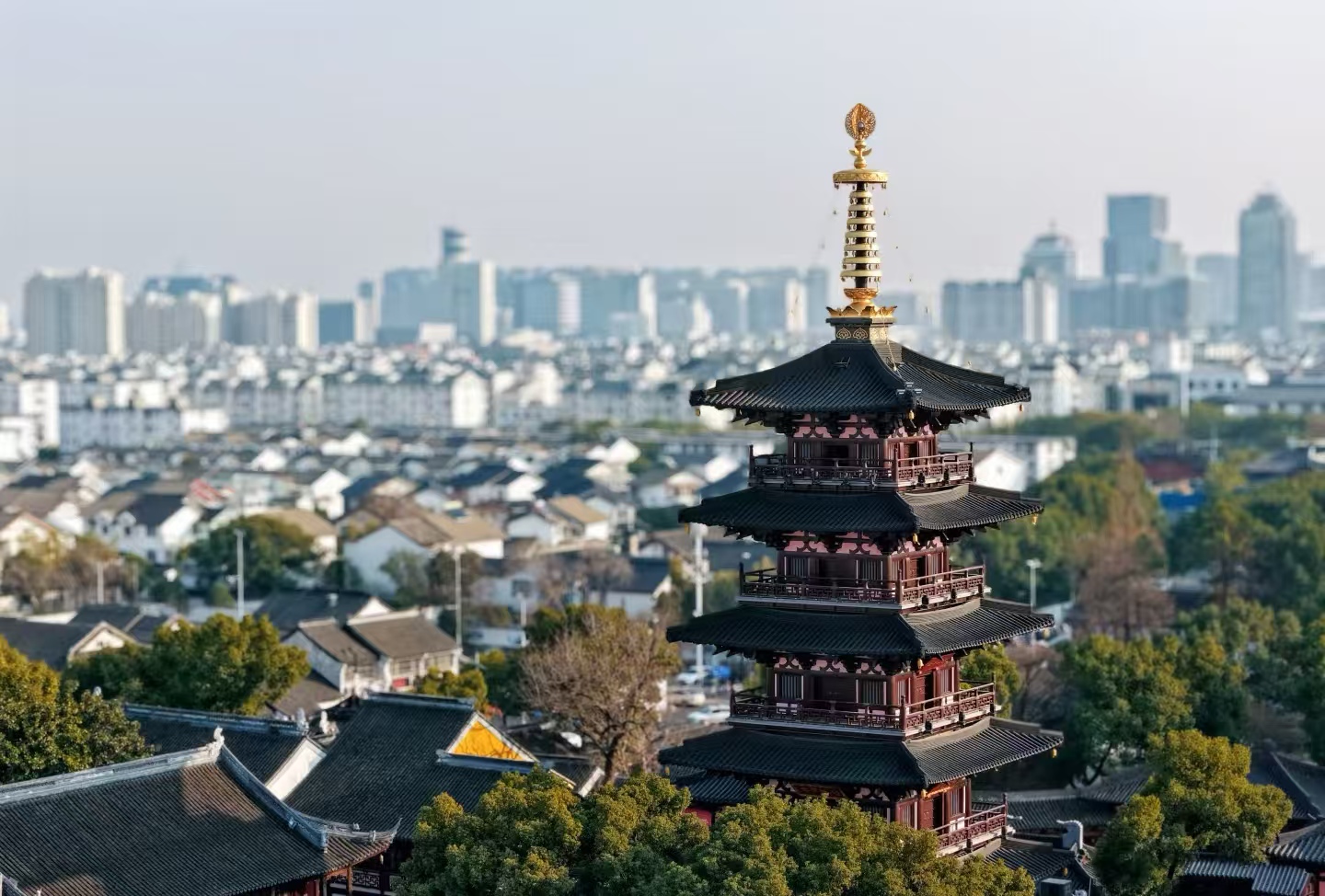
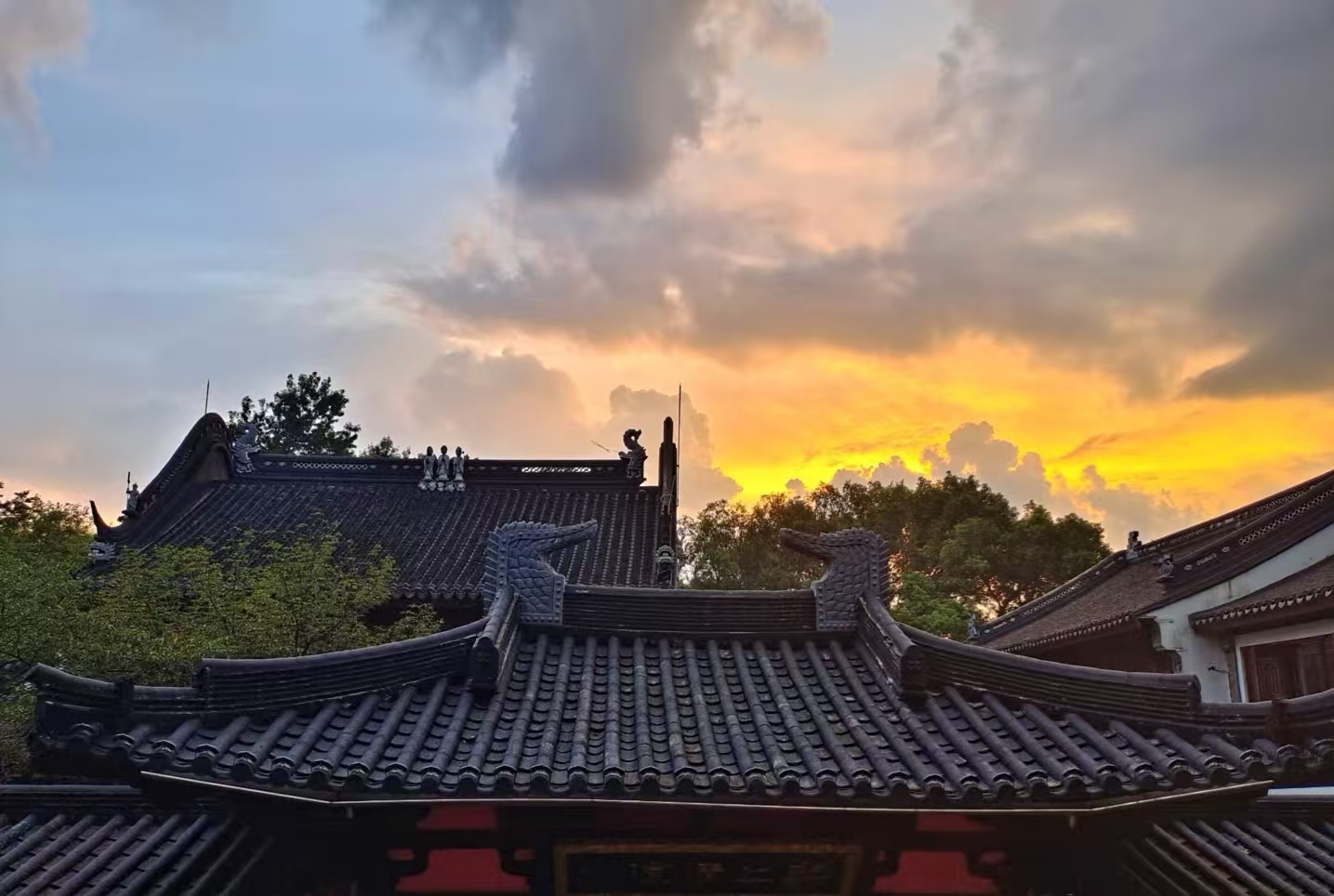
Hanshan Temple was first built during the Liang Dynasty of the Southern Dynasties (502–519 CE) and was originally named “Miaoli Puming Pagoda Yard.” During the Zhenguan era of the Tang Dynasty (627–649 CE), two renowned monks, Hanshan (Cold Mountain) and Shide (Pick-up), came from Mount Tiantai to serve as abbots, and the temple was renamed “Hanshan Temple.” Today, these two monks are revered as the “Sages of Harmony and Union,” symbolizing harmony and marital bliss. Inside the Hanshi Hall of the temple, their statues are enshrined, depicted with childlike, laughing expressions. Over the millennia, the temple has been destroyed many times by war, but has always risen from the ashes; the last large‑scale reconstruction took place during the Guangxu era of the Qing Dynasty (late 19th century).
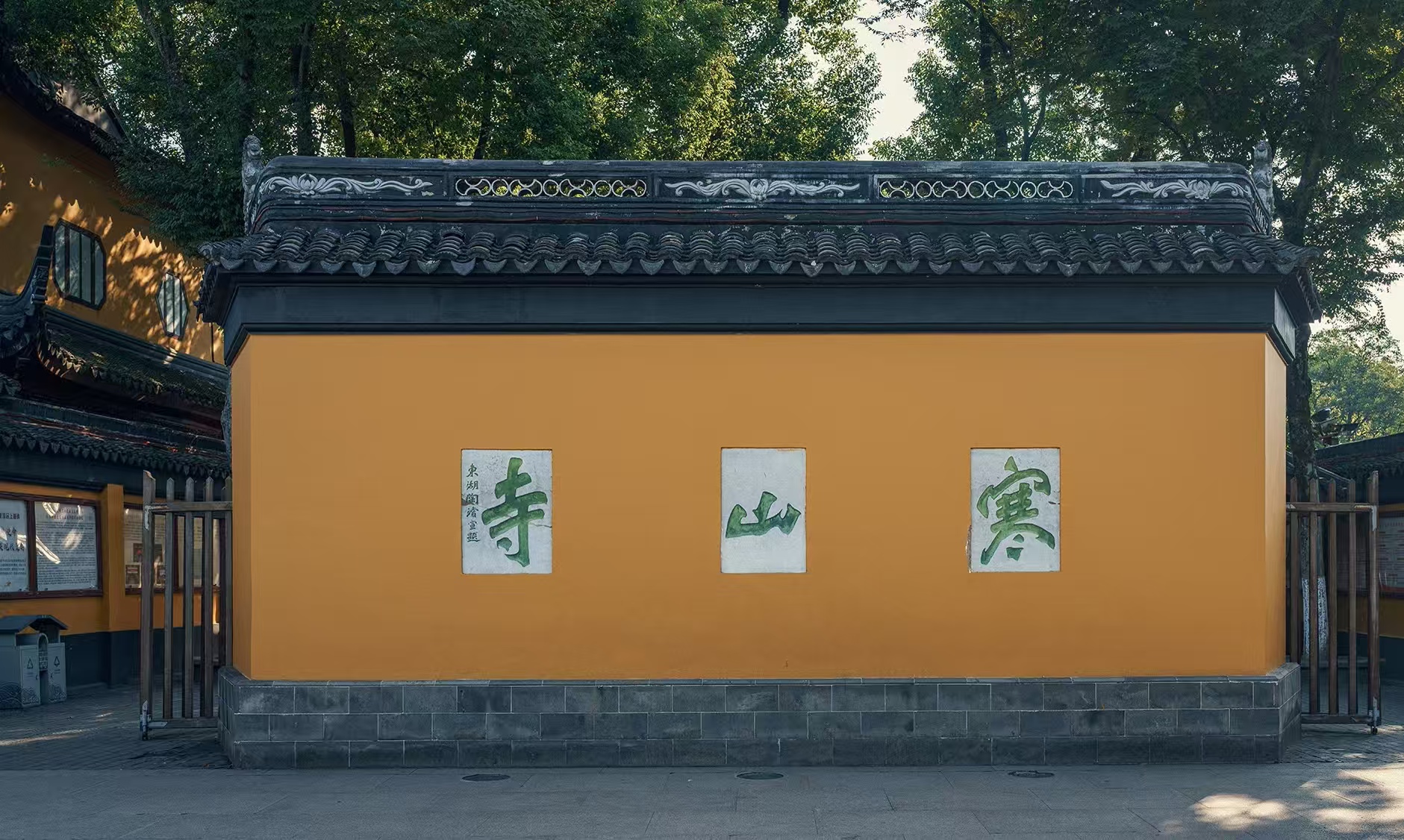
Step‑by‑Step Highlights: Key Halls Not to Miss
The main buildings are arranged along a central axis, creating a compact yet visually expansive layout. Key points of interest include:
· The Grand Hall (Mahavira Hall): Inside, besides the gilded statues of Sakyamuni Buddha, the greatest highlights are the gilt‑iron statues of the Eighteen Arhats from the Ming Dynasty, standing against the side walls. Behind the Buddha statues are stone engravings of the “Two Sages of Harmony and Union,” important cultural symbols of the temple.
· Hanshi Hall (Hall of Hanshan and Shide): Located inside the Scripture Repository, the ridge of its roof is adorned with extremely rare carvings depicting scenes from Journey to the West. Inside the hall stand life‑like statues of Hanshan and Shide, with open robes and playful, laughing expressions, symbolizing harmony and happiness.
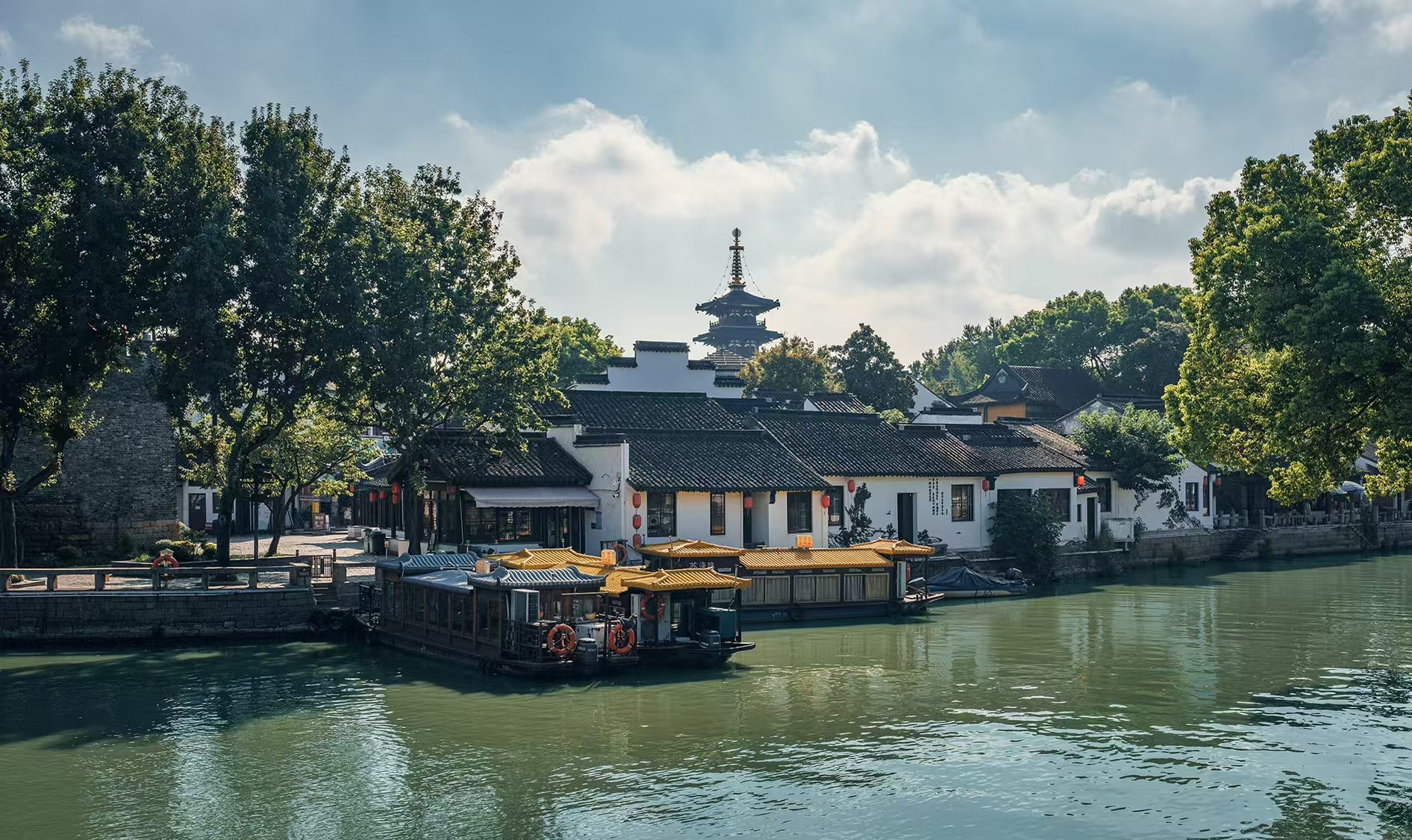
· Puming Pagoda: The highest point of the temple, a 42.2‑meter‑tall wooden pavilion‑style pagoda modeled on Tang Dynasty architecture. From the top, you can enjoy a panoramic view of the ancient canal and Maple Bridge. It was rebuilt in 1996.
· Stele Corridor: Displays stone inscriptions of Zhang Ji’s poem “Mooring by Maple Bridge at Night” written by famous calligraphers throughout history. The most famous is the one by Yu Yue, a great scholar of the late Qing Dynasty. Legend has it that Yu Yue passed away shortly after completing this inscription, adding a layer of mystery to this famous poem.
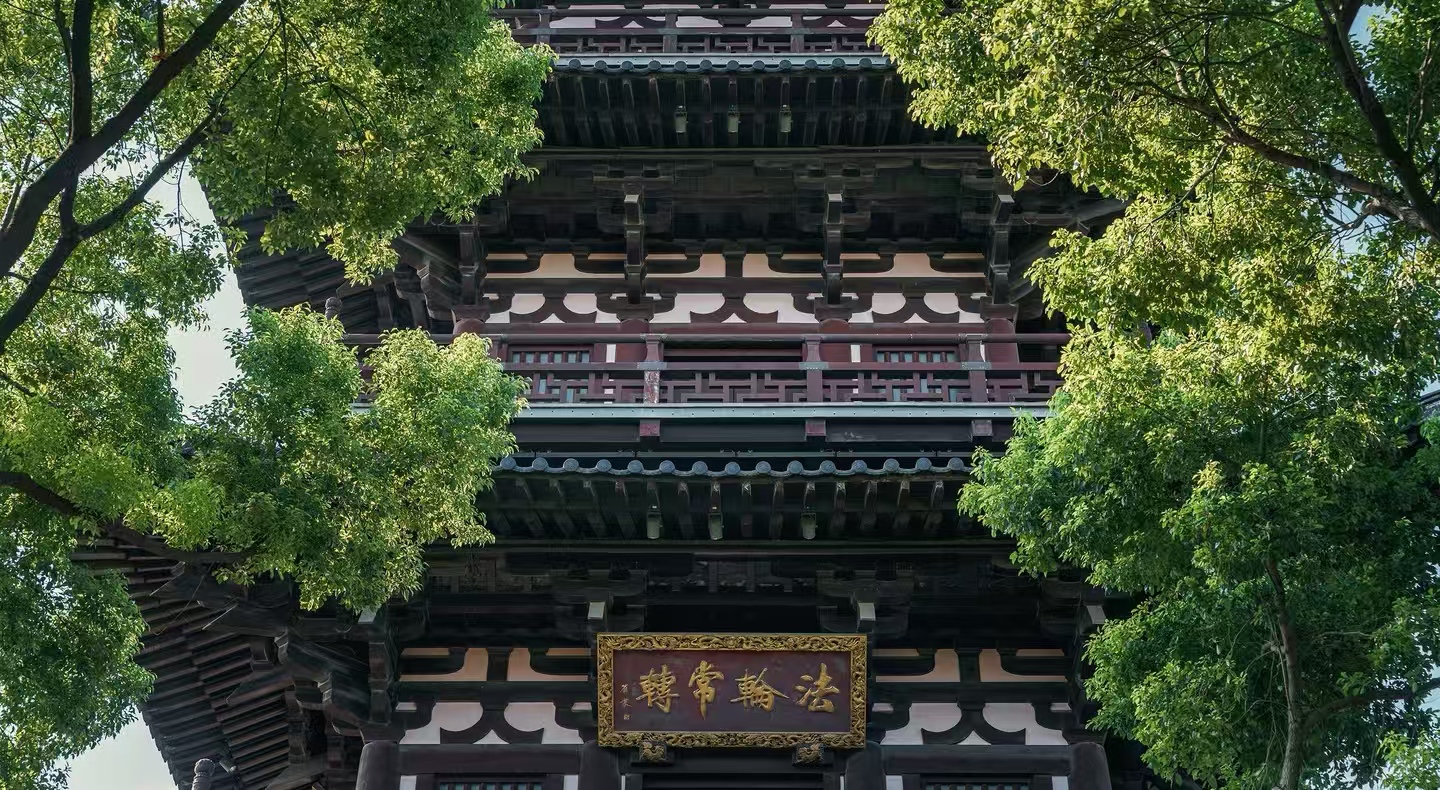
A Cultural Symbol: The Eternal “Midnight Bell”
Whether the “midnight bell” in Zhang Ji’s poem actually existed was once a literary controversy. Ouyang Xiu of the Song Dynasty questioned striking a bell at the third watch of the night. However, scholars such as Fan Wen and Lu You, through textual research and field investigations, confirmed that Suzhou temples did indeed have the custom of a “night‑settling bell”.
This thousand‑year‑old tradition has now become a grand ceremony:
· New Year’s Eve Bell‑Striking: Since 1979, Hanshan Temple has held an annual bell‑striking ceremony on New Year’s Eve to welcome the new year. It has become a glittering international cultural symbol of Suzhou.
· The Meaning of 108 Bells: At the midnight hour of New Year’s Eve, the bell is struck 108 times. According to Buddhist belief, “there are 108 kinds of earthly worries,” and striking the bell 108 times is meant to dispel worries and welcome good fortune.
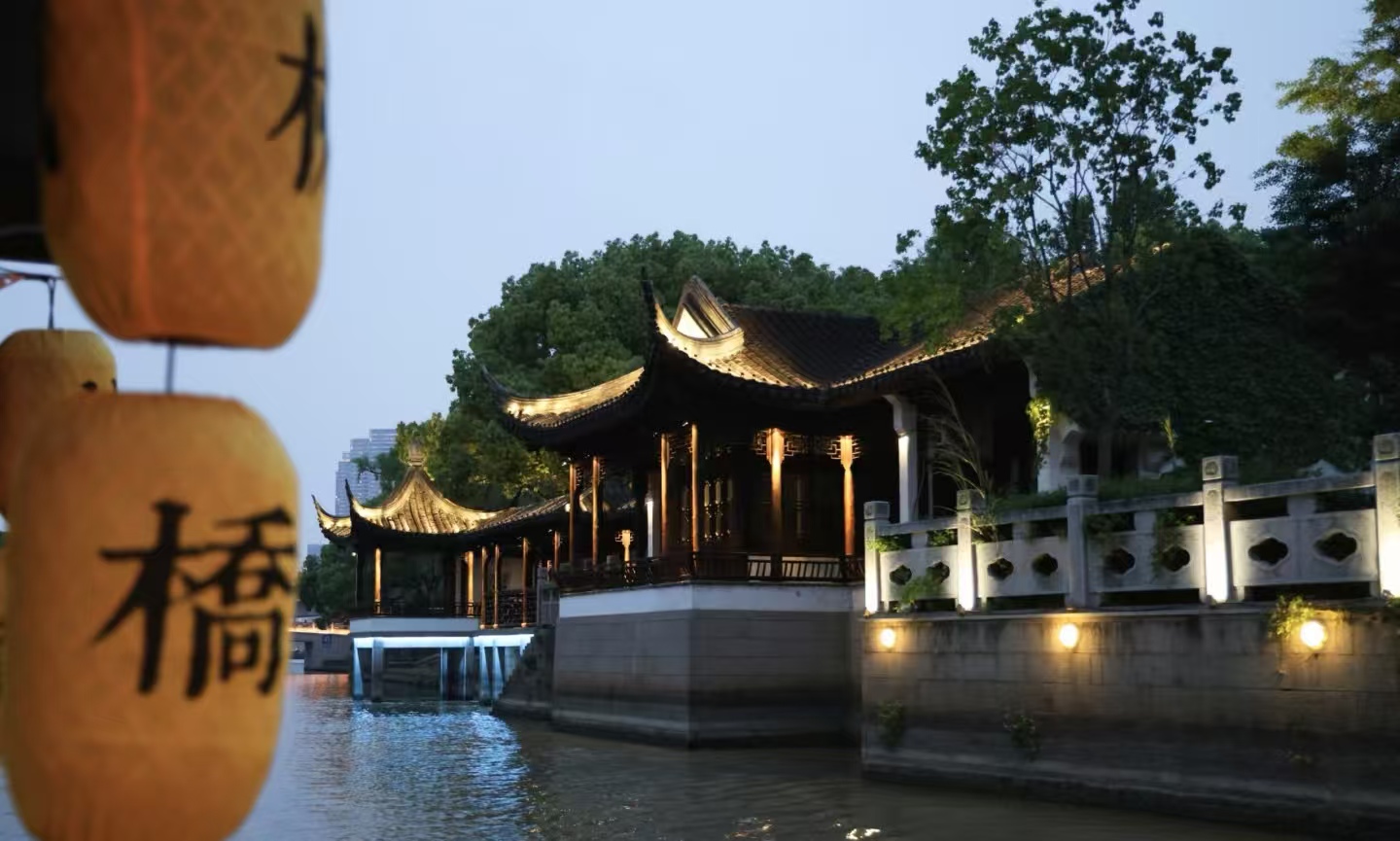
Although Hanshan Temple does not offer the winding, secluded paths of the Humble Administrator’s Garden, the poetic soul and bell sounds it carries have traveled through even longer spans of time.

