


Qiqihar barbecue in China originated in the Liao and Jin dynasties, took shape in the Qing Dynasty, and flourished in modern times. Ancient nomadic tribes roasted meat over bonfires for meals. In the Qing Dynasty, it was once regarded as the highest honor to reward troops. Later, through the integration of multiple ethnic groups, it gradually formed its unique flavor today.
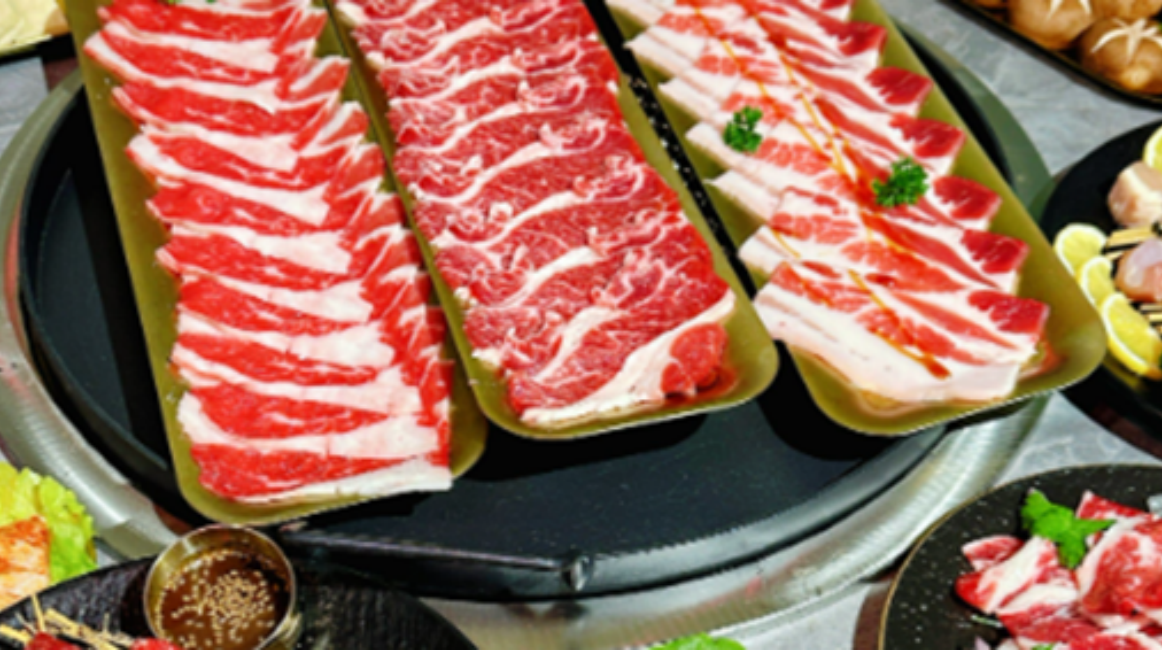
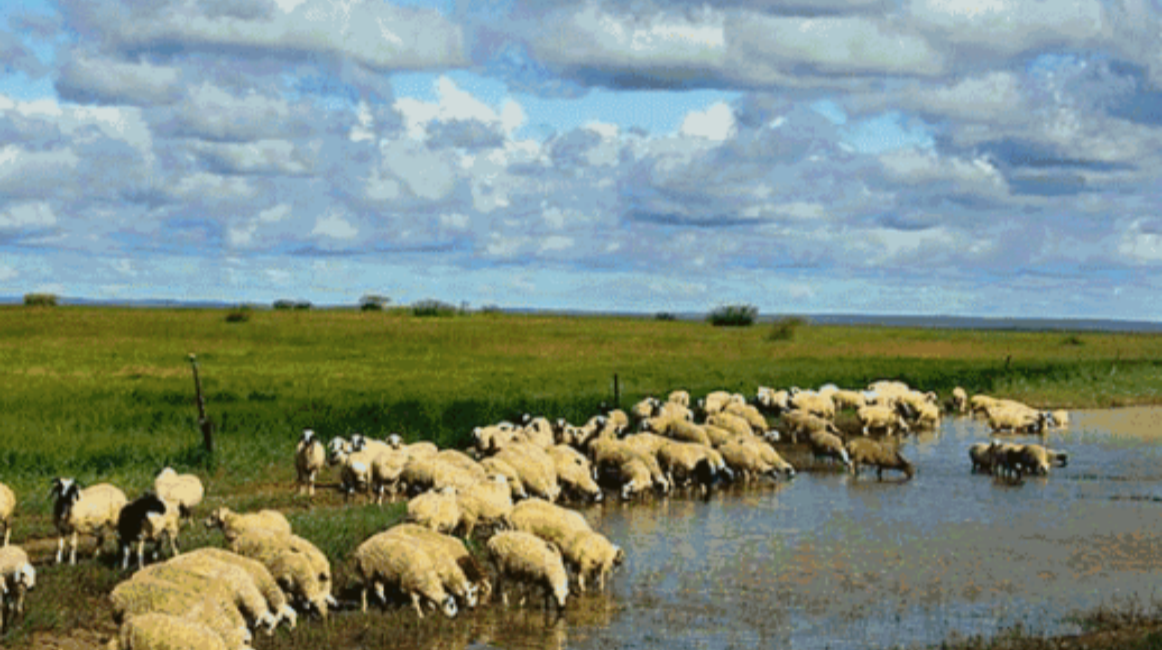
Located at the 47th parallel north golden animal husbandry belt, the cold black soil of the Songnen Plain and the pure Nenjiang River water nurture local beef with tender texture and rich marbling. It carries a faint natural milky fragrance, making it the perfect ingredient for barbecue.
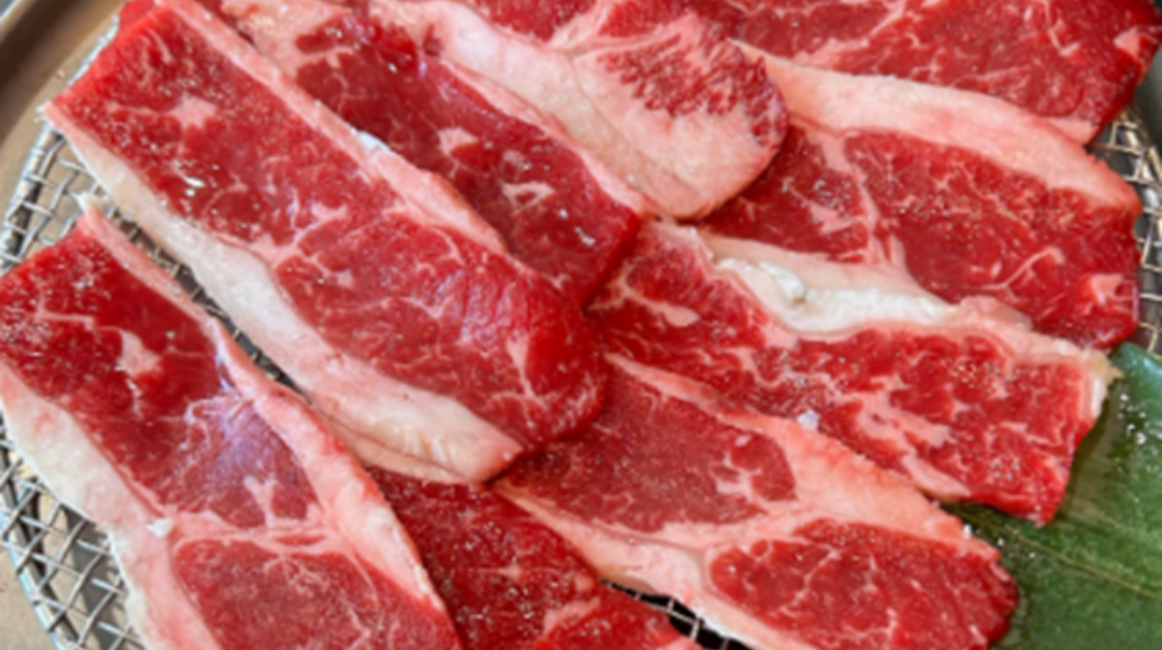
Premium cuts such as beef rib flap and chuck eye are selected and sliced into 2 to 3-millimeter thin pieces. The beef is marinated with a special blend of onion, beer, egg and other seasonings to remove fishy notes and enhance freshness. It tastes tender and juicy, retaining the original flavor of the meat while adding rich layered aromas.
It is traditionally grilled over fruit wood charcoal with a cast iron baking pan greased with beef tallow. Lay the beef slices flat on the pan; the steady charcoal fire makes the meat sizzle with oil until golden and charred outside yet tender inside. The fragrance of fruit wood blends perfectly with the meat, filled with strong festive smoke and fire ambiance.
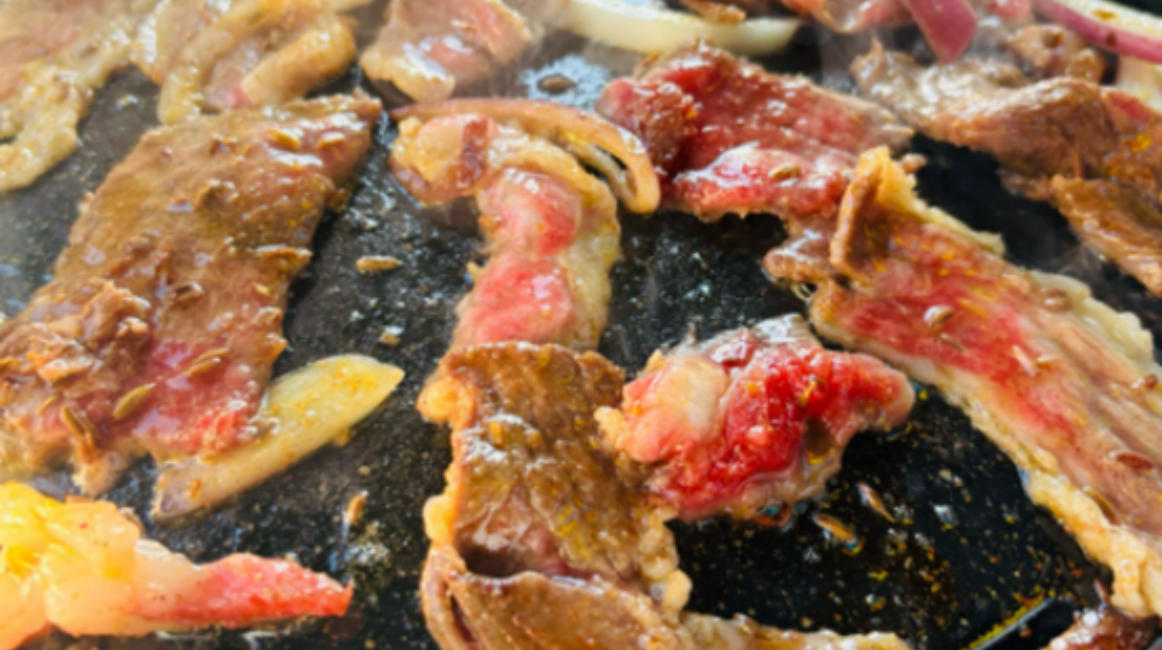
Dip the freshly grilled beef into a mixed seasoning of cumin, sesame seeds and chili powder. Pair it with garlic slices and chili rings, or wrap it in perilla leaves for a rich yet not greasy taste. Sitting around the grill and eating while roasting is not only a feast for the taste buds, but also a warm social experience.

