


Deities dwell in the ancient tea forests: A pilgrimage to the soul of Pu-erh tea
Among the UNESCO World Heritage Sites, few places convey the sense of being "living" with such vividness. The Pu 'er Jingmai Mountain Ancient Tea Forest Cultural Landscape, which received this honor in 2023, stands as such an exception. This sacred site located on the southwestern border of China's Yunnan Province is not a mere ruin for distant viewing, but a vibrant tapestry woven over millennia by the ancestors of the Bulang and Dai ethnic groups through tea trees, forests, and their beliefs—a living masterpiece still breathing. For international travelers, this journey is not merely a sightseeing trip, but a pilgrimage into the essence of humanity's harmony with nature.
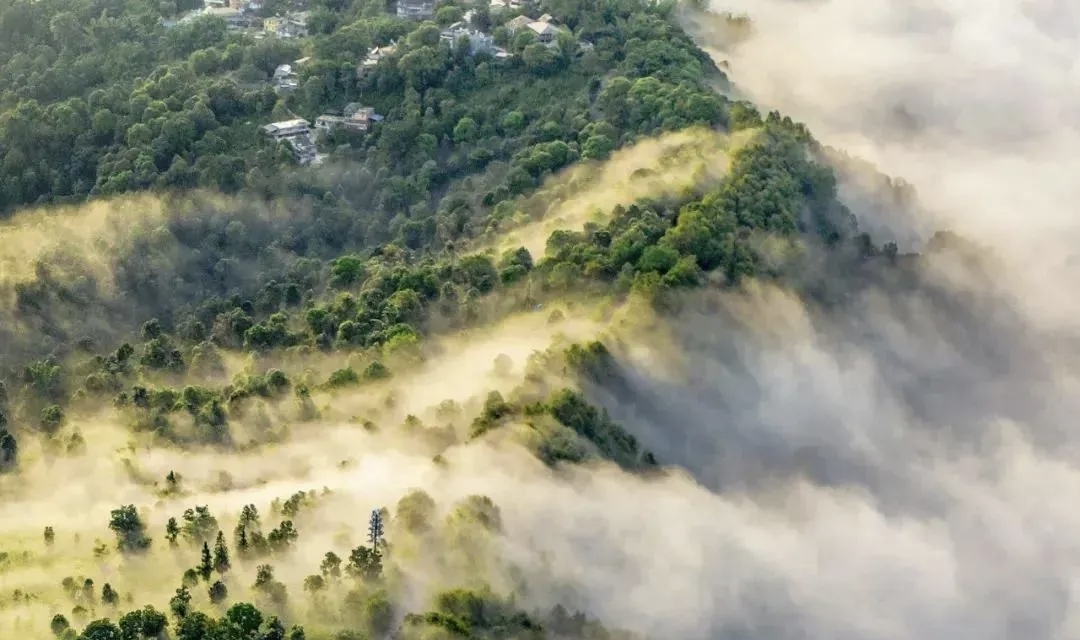
The core narrative of Jingmai Mountain revolves around the ancient wisdom of "understory cultivation." Unlike any conventional tea plantation on Earth, the tea trees here coexist with towering camphor and oak trees, forming a three-dimensional forest ecosystem. Our ancestors discovered that tea trees thrive in shade—the tall trees provide shade from intense sunlight, their fallen leaves serve as natural fertilizer, and the diversity of insects and birds effectively controls pests and diseases. This vertical, self-sustaining agricultural miracle challenges the modern paradigm of monoculture. It subtly conveys to visitors: this is not humanity's conquest of nature, but rather a humble integration with it.
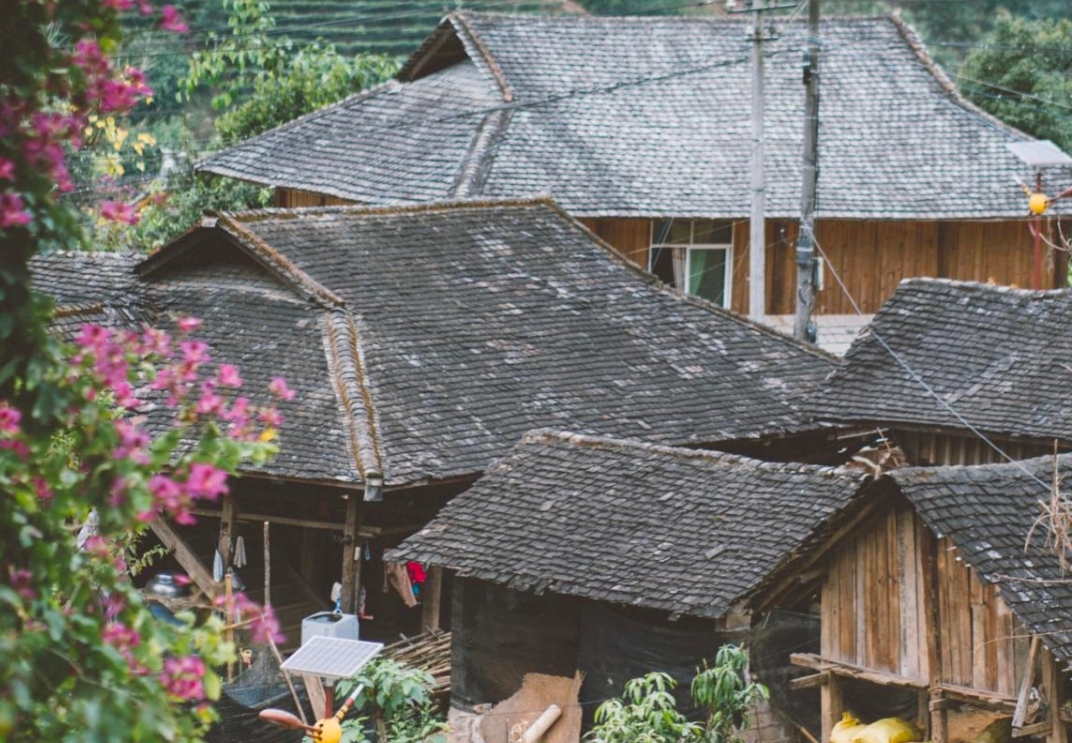
The cultural fabric of the ancient tea forest is deeply intertwined with the legend of Pa 'aileng, revered as the 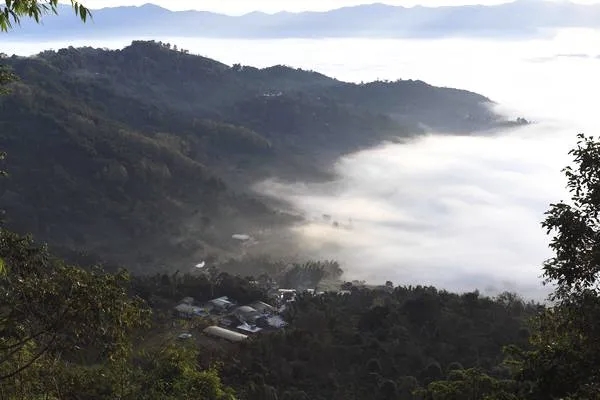 "Ancestor of Tea." Over a millennium ago, before his death, Pa' aileng, leader of the Bulang people, gave his descendants this instruction: "Leave your cattle and horses, lest they perish; leave your gold and silver, lest they be depleted; but leave these tea trees for your descendants to use endlessly." Since then, each ancient tea tree has been regarded as a sacred conduit connecting to ancestral spirits. Strolling through the Dapingzhang Ancient Tea Forest, visitors encounter twisted trunks covered in moss and unique "crab-foot" parasitic plants, while the air is permeated with the moist fragrance of orchids. Ethnic groups here, such as the Bulang and Dai, still observe the annual "Shankang Tea Ancestor Festival" in April to honor these tea trees. Those who reflect on this tradition will understand that they safeguard not merely the commodity of "tea," but rather the "Tree of Life" as a symbol of faith.
The gifts of Jingmai Mountain to the world are far deeper than a cup of fine tea. As global agriculture faces ecological degradation caused by monoculture practices, Jingmai Mountain stands as a blueprint for the future drawn from the past. Its concept of "tea cultural landscape" has directly inspired discussions on sustainable tourism and community-led heritage conservation. Here, villagers are not mere performers but the true custodians of this heritage. Their philosophy of "harmony" —harmony with nature, harmony with ancestors, and kindness toward outsiders—is silently conveyed to every visitor traversing mountains and seas via the bluestone path connecting nine traditional villages. The rich, aged aroma of Pu'er tea thus gains an additional layer of cultural depth.
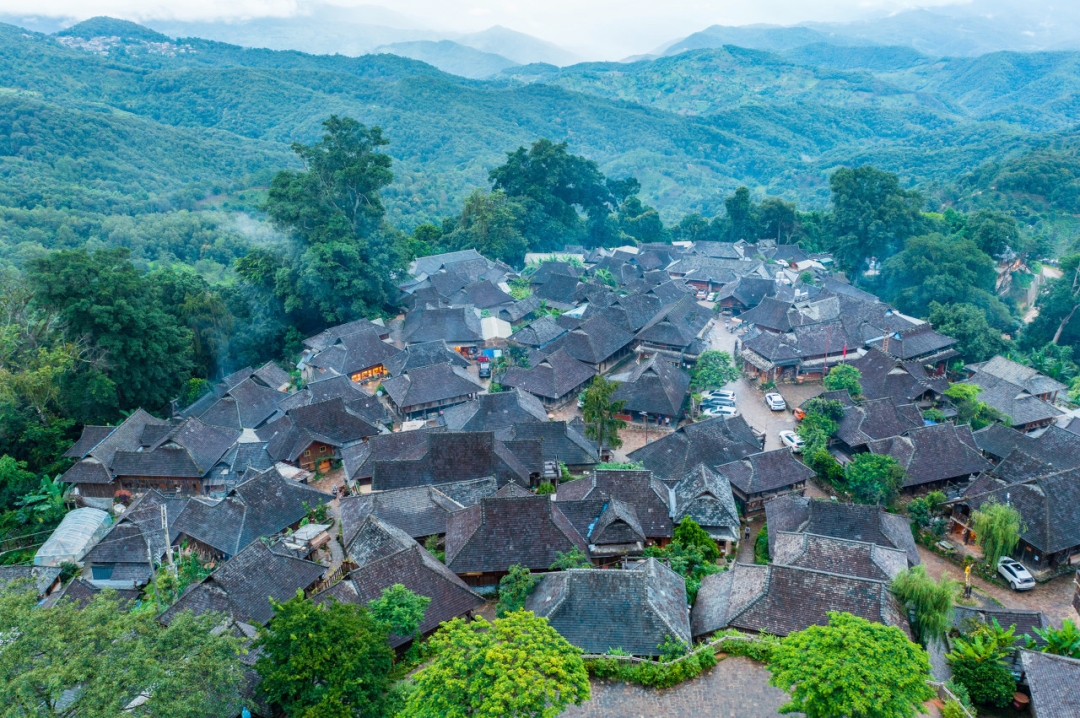
However, this "living heritage" is facing challenges posed by modernity. The successful inscription on the World Heritage List has sparked a tourism boom, but also brought noise and pressure. How can we balance the influx of visitors with the fragile carrying capacity of the mountain ecosystem? How can we ensure that the younger generation remains committed to preserving the intricate tea-making techniques and ancient ethnic languages amidst the tide of modernization? The future remains uncertain, but Jingmai Mountain offers a potential solution: a community-based tourism management model that strictly prohibits excessive expansion by external capital and ensures benefits are returned to the true guardians. The future of these ancient tea forests does not mean keeping the world at bay; rather, it aims to teach the world how to approach this sacred territory with reverence and care.
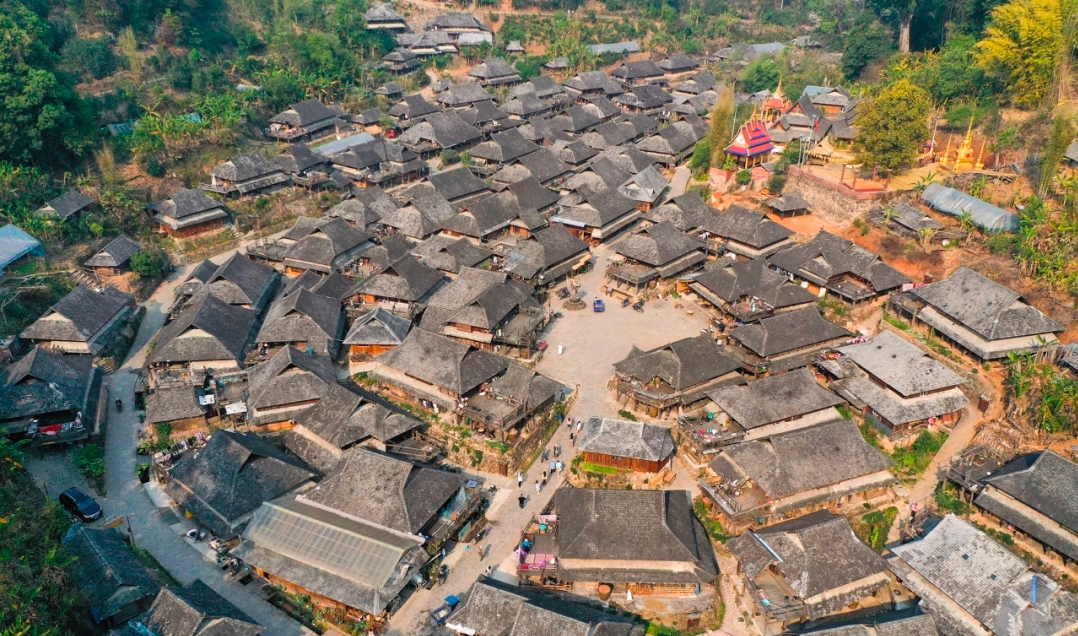
For international travelers seeking a spiritual journey, Jingmai Mountain fulfills a profound sense of nostalgia. It is not the tamed nature depicted in Western pastoral poetry, but rather a land that embodies both wildness and gentleness, with wisdom inherently embedded in its landscape DNA. As the morning mist rises from the valleys, enveloping the golden roofs of Buddhist temples and ancient stilted wooden houses, one hears the wind rustling through the tea forests—a whisper that may have echoed for millennia; it speaks not of the past, but of the future we share together.

