


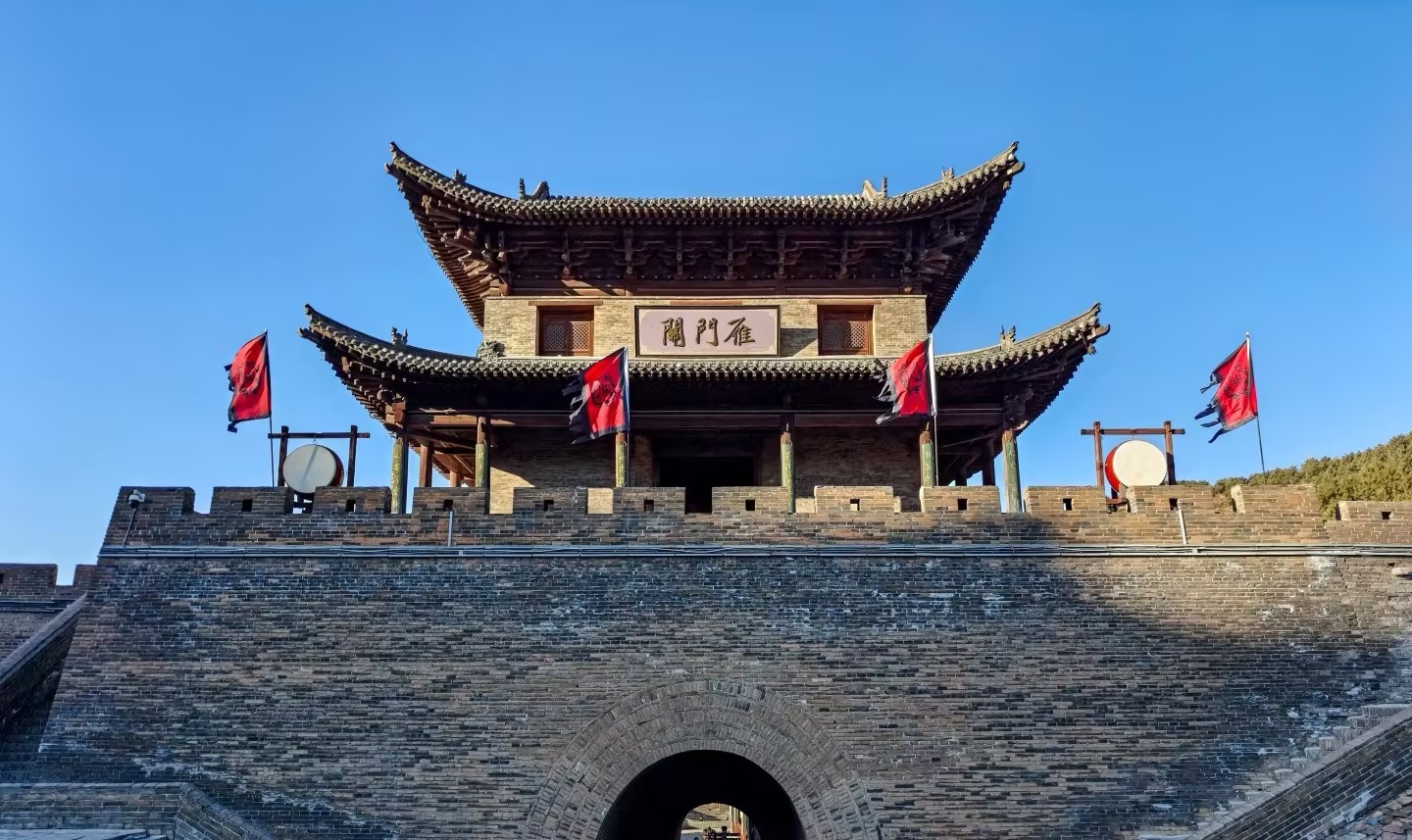
Yanmen Pass (Yànménguān), literally meaning "Wild Goose Gate Pass," is one of the most famous and strategically significant passes along the Great Wall of China. Located in Xinzhou City, Shanxi Province, approximately 20 kilometers north of Dai County, it has been a vital military stronghold for over 2,000 years .
A Strategic Military Stronghold
Known as the "Number One Pass of China" Yanmen Pass was considered the most important among the nine great passes of the Great Wall. The ancient saying, "If Yanmen is safe, the nation is safe; if Yanmen is lost, the nation is in peril," reflects its critical strategic importance . It served as a defensive line against northern nomadic tribes and controlled the key route connecting the Central Plains to the Eurasian Steppe .
Due to its location in a narrow defile surrounded by high mountains, the pass was named after the wild geese that were said to fly over the area during their annual migration, as they could not cross the mountains elsewhere .
History and Architecture
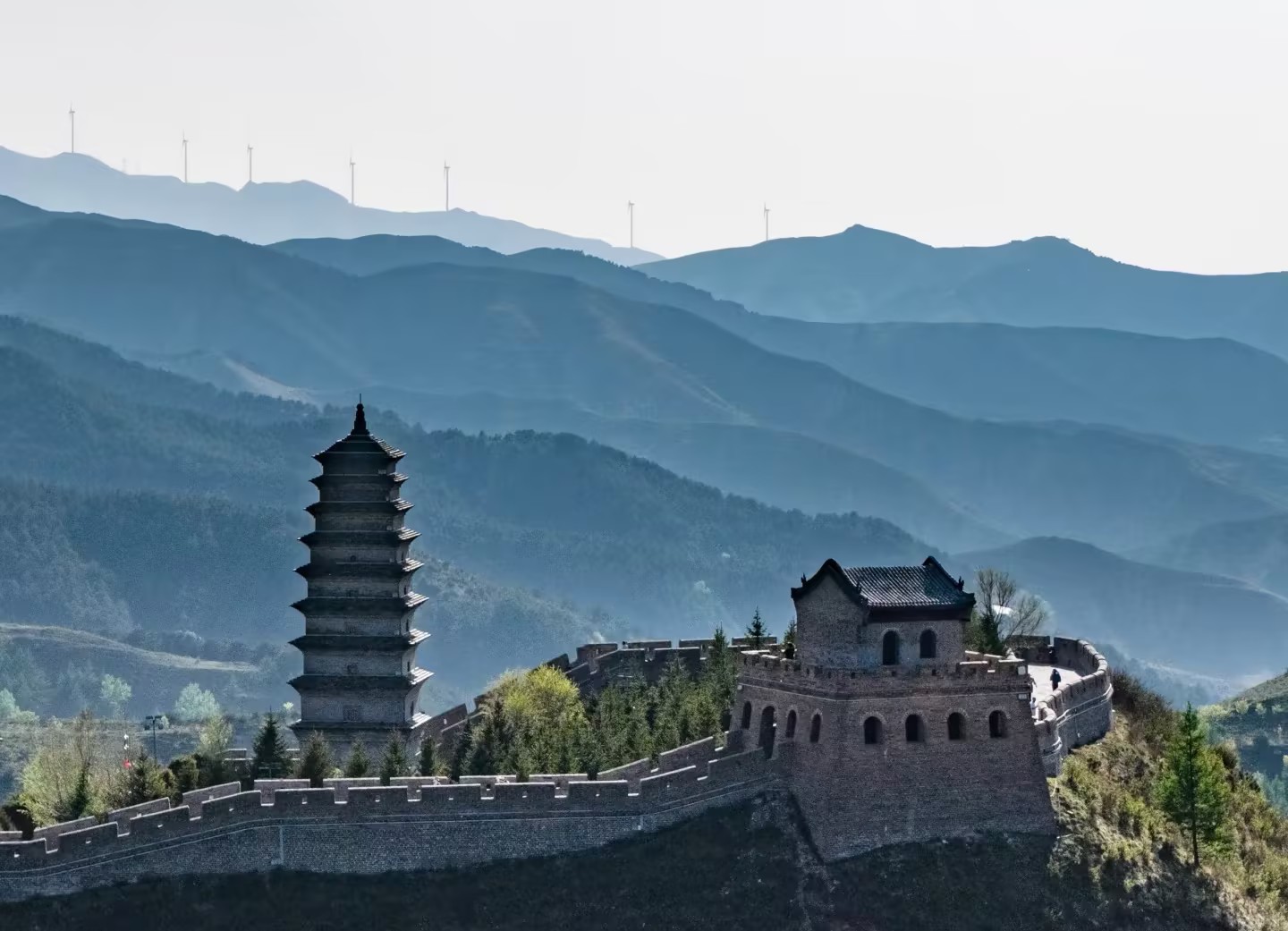
The original pass was first built during the Warring States Period (475–221 BC). The structure visible today was rebuilt in 1374 during the Ming Dynasty (1368–1644) .
The complex is a masterpiece of defensive architecture. It includes a pass city, a barbican (a fortified gateway), and an enclosing wall that stretches over 5 kilometers along the rolling hills . The walls are dotted with watchtowers and beacon towers approximately every 120 meters .
· Gates: The pass features three main gates. The eastern gate is named Tian Xian, meaning "Impenetrable Fortress," and the western gate is named Di Li,meaning "Strategic Advantage" .
· Defense: To the north of the pass is a barbican that creates a double defense line. The entrance is cleverly positioned on the east wall rather than directly in front, exposing invaders to fire from multiple sides .
Witness to History
Yanmen Pass has been the site of over 1,400 battles across various dynasties .
· Famous Generals: Legendary Han Dynasty generals such as Li Guang (known as "Flying General"), Wei Qing, and Huo Qubing defended this frontier against the Xiongnu .
· Yang Family Generals: During the Northern Song Dynasty, it was the main battlefield between the Song and Liao empires. The famous Yang Family Generals, including the legendary warrior Yang Ye, garrisoned the pass and became folk heroes for their bravery .
· Modern Era: In 1937, during the Second Sino-Japanese War, the Eighth Route Army successfully ambushed a Japanese convoy at Yanmen Pass .
Cultural Significance
Beyond warfare, Yanmen Pass is deeply intertwined with Chinese culture.
· Zhaojun's Departure: During the Han Dynasty, the lady-in-waiting Wang Zhaojun (one of the "Four Great Beauties" of ancient China) left through this pass to marry a Xiongnu chieftain. This political marriage secured peace between the two peoples for decades. According to legend, her beauty was so captivating that as she played the zither on horseback, passing geese forgot to flap their wings and fell from the sky—giving her the epithet "Falling Geese" .
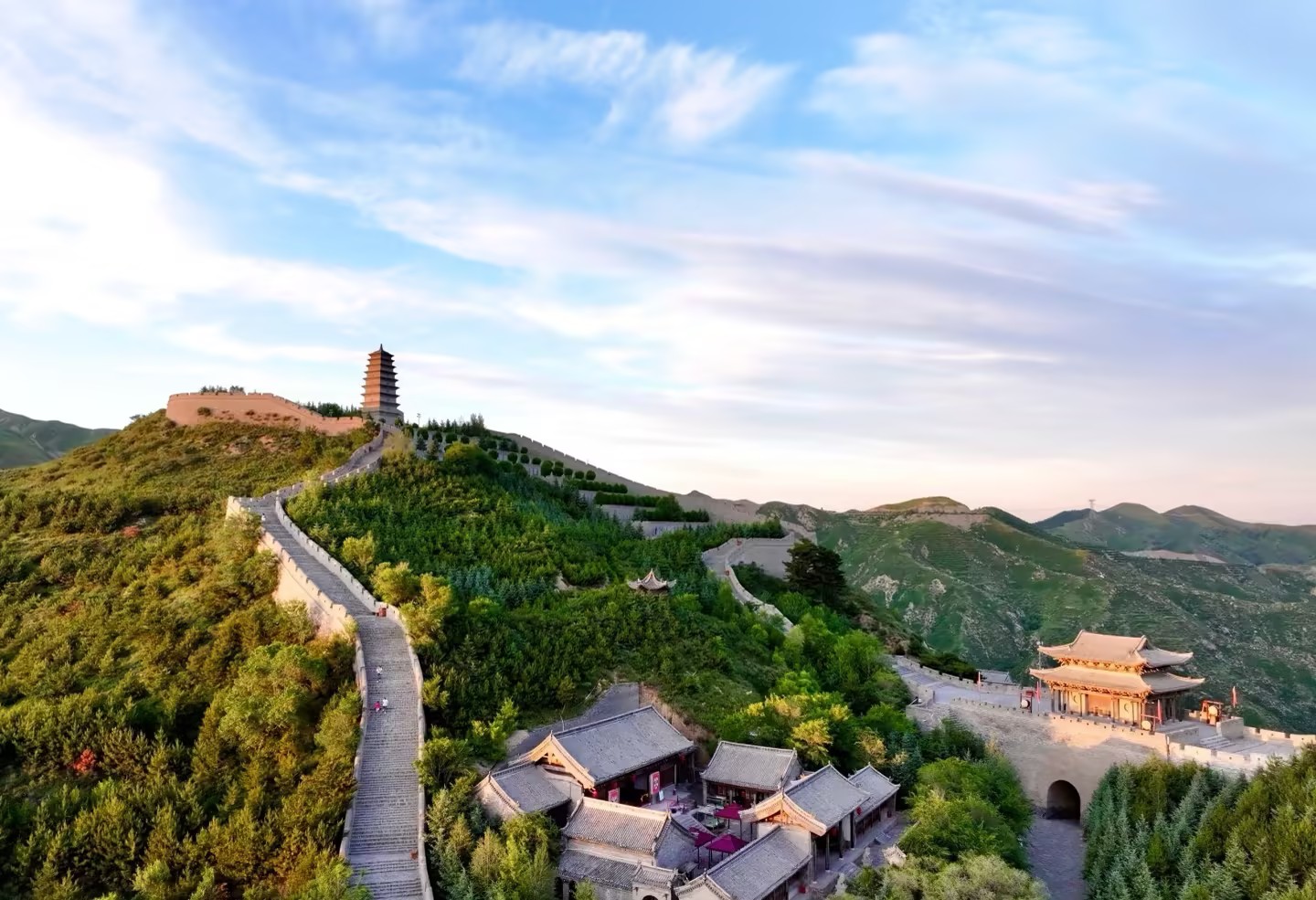
· Ancient Trade: During the Ming and Qing dynasties, the pass was not only a military garrison but also a bustling hub of trade and commerce .

