


In recent years, the so-called allocation rule at luxury brand counters has evolved from an unspoken industry practice into public focus. To buy popular items such as Hermès designer handbags and limited-edition Rolex watches, consumers are often required to purchase other unrelated goods first. Disguised forced bundling has sparked continuous disputes over consumption fairness. Brands defend it as a scarcity marketing strategy, while consumers argue their right of independent choice is infringed. This consumption game exposes industry irregularities and touches the bottom line of fair consumption, calling for standardized regulation.
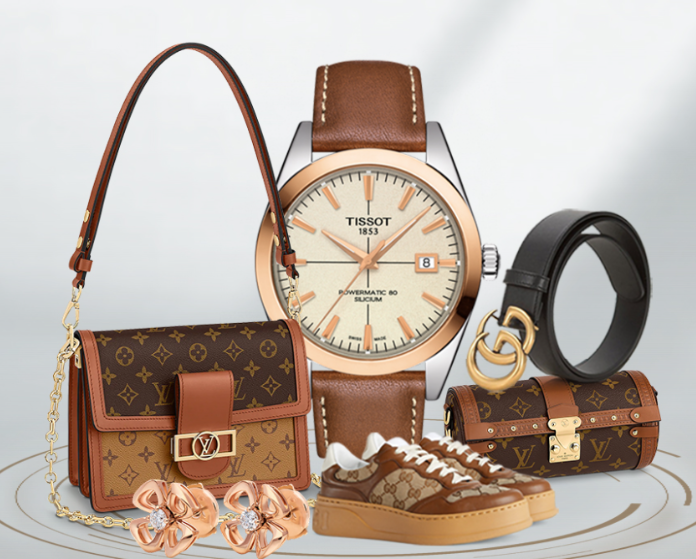
Growing Malpractice: Allocation Rule Turns into Forced Bundling
Originally, the allocation rule was designed by luxury brands to maintain product scarcity and screen core customers, requiring consumers to buy matched products to obtain limited items. Nowadays, the rule has deteriorated into rigid forced bundling.
Most luxury counters set allocation as an unnegotiable threshold for hot goods. Refusal to accept bundling means being denied purchase rights. Buyers of classic Hermès bags often need to spend heavily on scarves and accessories to make reservations. Some Rolex stores once set high consumption barriers for popular watch models. Many outlets give vague allocation ratios, leaving consumers unable to secure desired products even after meeting matching requirements. As public awareness of rights protection rises, related complaints keep increasing. Consumers widely regard the allocation rule as tied sales that violates fair transaction principles, making the fairness controversy intensify.

Root Causes Behind Compulsory Allocation
The distorted forced allocation stems from the combined effects of brand profit pursuit, supply-demand imbalance and regulatory deficiencies.
For brands, the rule helps maintain high-end positioning and maximize profits. By deliberately limiting output of star products and creating artificial scarcity, brands raise consumption thresholds, screen high-value loyal customers, boost sales of accessories, and consolidate brand premium.
On the market side, strong demand and insufficient supply create fertile ground for such practices. China’s luxury consumer base keeps expanding, and popular products remain in short supply, forming a seller-dominated market. Social media turns luxury goods into status symbols, fueling consumers’ desire for luxury and comparison. Many consumers have no choice but to accept unfair bundling terms.
In terms of supervision, legal boundaries remain ambiguous and evidence collection is difficult. Although existing laws protect consumers’ right to fair trade, brands often evade regulation under the excuse of business autonomy and voluntary consumption. Most allocation requirements are agreed verbally without written proof, making it hard for authorities to investigate and rectify long-standing chaos.

Multiple Harms Brought by Forced Bundling
Compulsory allocation undermines consumer rights, distorts market order, and hinders brands’ long-term development.
Consumers are forced to buy unnecessary goods, raising consumption costs and causing resource waste. When they fail to receive target products after full allocation, difficult evidence collection and limited complaint channels damage consumption confidence and encourage irrational vanity spending.
For the market, dominant luxury brands practicing forced bundling engage in unfair competition and disrupt a transparent business environment. The rule also fuels a gray industry chain of scalpers and purchasing agents, who hoard limited goods and resell them at high prices, further pushing up market quotations and worsening supply-demand imbalance.
For brands, over-reliance on allocation rules erodes reputation and credibility. Young consumers now pay more attention to consumption fairness and shopping experience, and increasingly reject overbearing marketing tactics. Accumulated negative public opinion leads to customer loss, while excessive focus on bundled sales makes brands neglect quality improvement and service upgrading, restricting long-term growth.
Path to Standardization: Joint Efforts Lead to Positive Trends
Resolving allocation rule disputes and safeguarding consumption fairness requires joint efforts from regulators, the luxury industry and consumers.
Regulators should improve laws, clarify the illegality of disguised forced allocation, impose heavier penalties and raise illegal costs. Regular inspections, smooth complaint channels and simplified evidence procedures can effectively deter irregular practices.
Luxury brands must renew their business philosophy and abandon distorted allocation tactics. True high-end value lies in product quality, cultural heritage and service experience, rather than artificial purchasing barriers. Some brands have canceled allocation and queuing rules, adopting online reservation and spot goods announcement, winning market recognition. Industry associations should issue self-regulatory norms to guide transparent supply allocation and rational operation.
Consumers need to build rational consumption views, reject blind luxury pursuit and unreasonable forced bundling. When rights are infringed, they should keep transaction evidence and safeguard interests through official complaint channels.
Positive changes are emerging in the luxury industry with stricter regulation, brand strategy adjustments and rising consumer awareness. With joint efforts, the chaos of forced allocation will gradually fade. Consumption fairness will be effectively protected, and the luxury industry will bid farewell to distorted marketing and step into a standardized, healthy and sustainable new stage of development.

