


In recent years, a quiet but unmistakable shift has taken place in the lives of many young people across China. While dogs were once the undisputed favourite companion animal in the country, a new preference is emerging with remarkable speed. More and more Chinese millennials and members of Generation Z are choosing to share their homes with cats. This trend is not a fleeting social media fad but rather a deep-rooted phenomenon that reflects sweeping changes in China's urban landscape, economic realities, and cultural values. To understand why cats have become such a beloved presence in the cramped apartments and busy lives of China's youth, one mus look beyond the surface of cute videos and viral memes. The reasons are many, nuanced, and at times contradictory, involving both the positive comforts of feline companionship and the less-discussed drawbacks of this growing obsession.
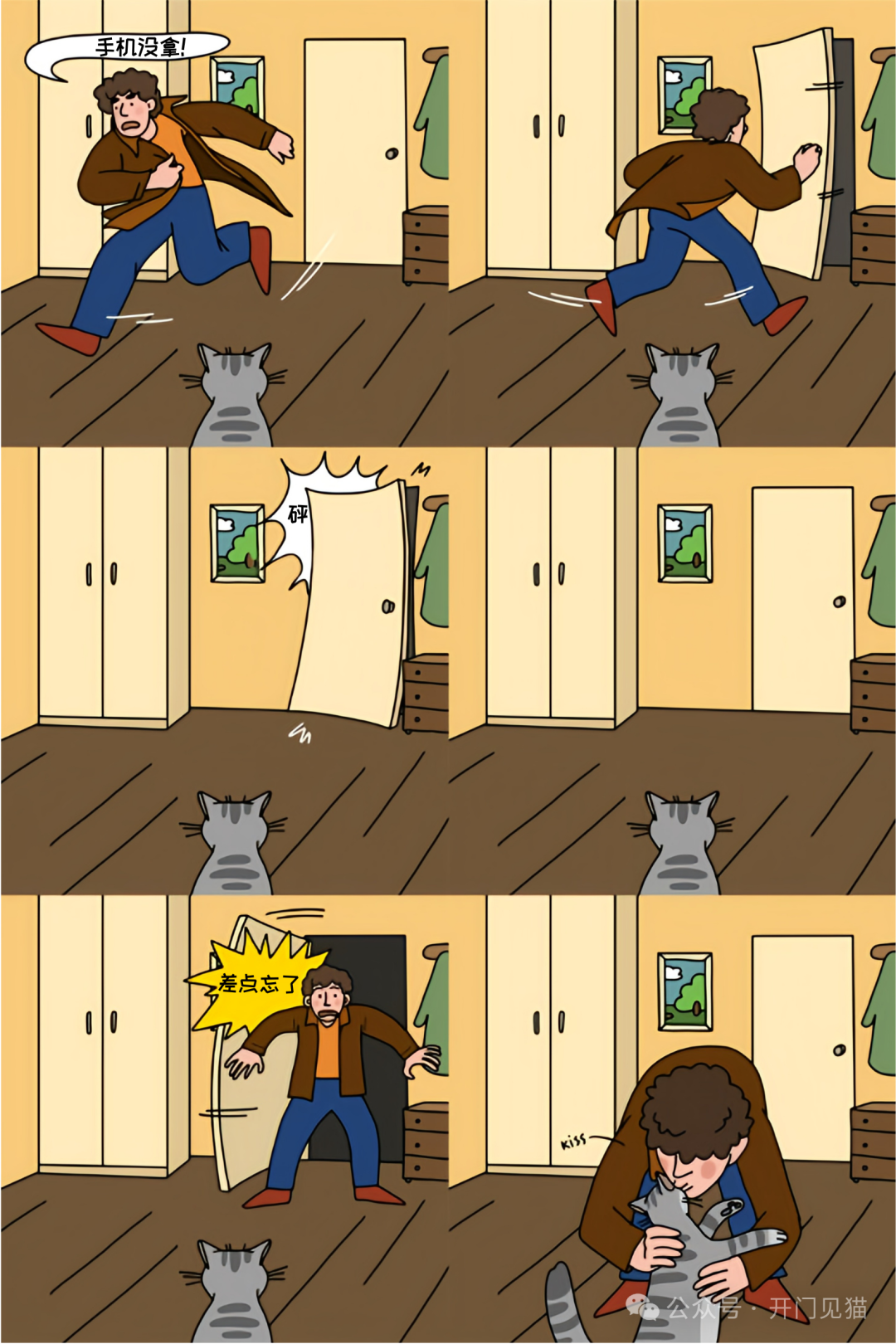
First and foremost, the cat's independent nature aligns perfectly with the demanding lifestyle of modern Chinese city dwellers. Young professionals in Beijing, Shanghai, Shenzhen, and other major urban centres routinely work sixty to seventy hours per week under high pressure. The notorious "996" work culture, where employees are expected to work from nine in the morning until nine at night, six days a week, leaves little time for socialising, let alone for the intensive care that a dog requires. Dogs need to be walked multiple times a day, bathed regularly, and given constant attention. They thrive on routine and companionship, and they can become destructive or anxious when left alone for long hours. Cats, on the other hand, are far more self-sufficient. They use a litter box, groom themselves, and are perfectly content to sleep for most of the day while their owner is at the office. A young person who returns home exhausted at ten in the evening can still enjoy a cat's quiet presence without feeling guilty about leaving it alone. The cat may simply curl up on the sofa or rub against its owner's legs, asking for nothing more than a few minutes of gentle petting before returning to its own peaceful world. This low-maintenance quality is perhaps the most practical reason for the feline trend.
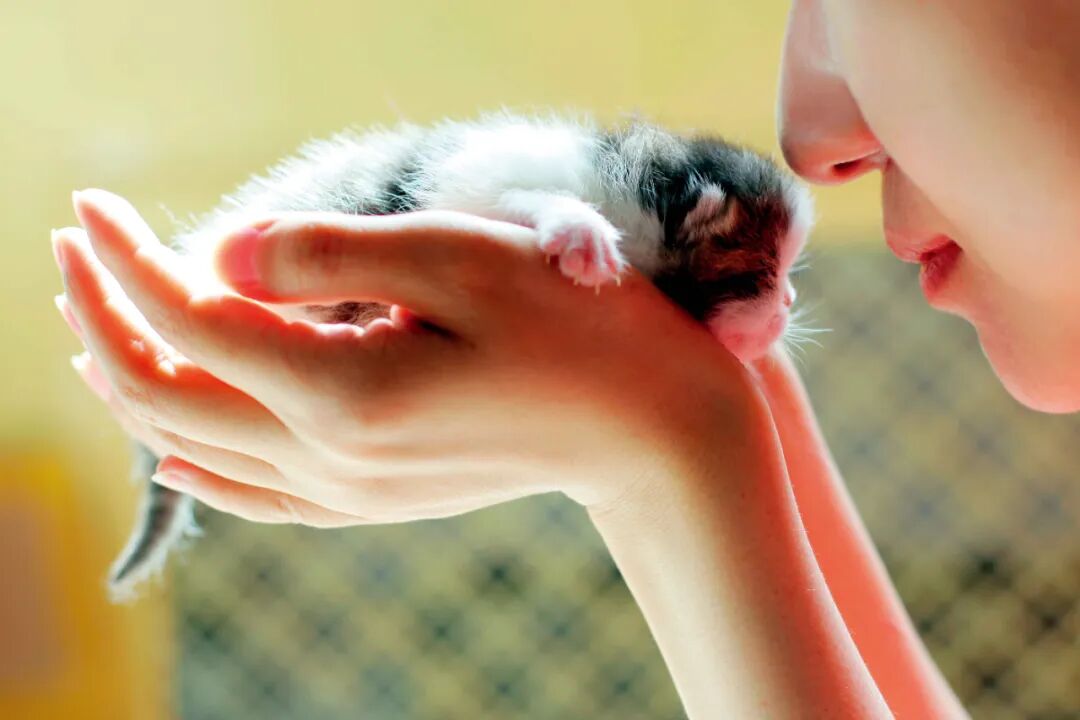
Beyond the practical, there is a profound emotional dimension to the growing popularity of cats among Chinese youth. The country has undergone a staggering transformation in the past four decades, with hundreds of millions of people moving from rural villages to sprawling, impersonal megacities. This migration has often meant leaving behind extended family support systems, close-knit communities, and traditional social ties. Many young people in cities today live alone in tiny rental studios, far from their parents and childhood friends. They face intense competition at work, soaring housing prices, and the ever-present pressure to marry and have children, a pressure that many are either postponing or rejecting altogether. In this context, a cat becomes more than just a pet; it is a source of unconditional affection, a living creature that offers comfort without judgement or complicated demands. Psychologists in China have noted a sharp rise in what they call "emotional substitution," where young people invest their need for intimacy and care into animals rather than human relationships. A cat does not care about one's salary, marital status, or social standing. It does not ask when one will buy an apartment or give birth to a grandson. It simply purrs and kneads its paws on a warm lap, providing a small oasis of calm in the chaos of urban life.
Social media has played an enormous role in amplifying and normalising cat ownership among young Chinese. Platforms such as Douyin, the Chinese version of TikTok, and Xiaohongshu, a lifestyle app similar to Instagram, are flooded with cat-related content. Hashtags like "cat slaves" and "cat sniffers" have millions of posts, where owners share photos, videos, and stories of their feline companions. The most popular cat influencers have massive followings, and their owners often turn their pets into lucrative brands, selling merchandise or accepting sponsorships. This constant exposure creates a powerful social contagion effect. When a young person scrolls through their feed and repeatedly sees adorable cats lounging in sunbeams, playing with toys, or acting in funny and endearing ways, they begin to associate cats with happiness, relaxation, and social status. Owning a cat is no longer just a private choice; it is a way to participate in a shared online culture, to gain likes and comments, and to feel connected to a community of like-minded "cat people." For a generation that has grown up digitally, the online validation of pet ownership can be as rewarding as the physical companionship itself.
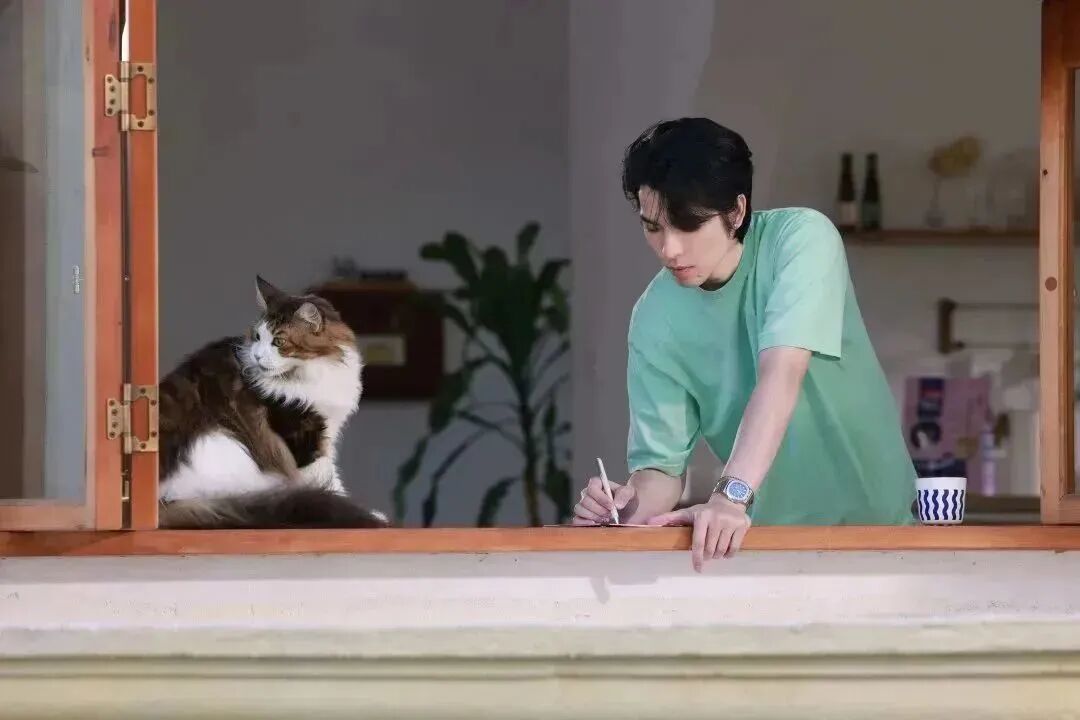
Economic factors also weigh heavily in favour of cats. Raising a dog in a Chinese city can be surprisingly expensive. Beyond the cost of food, toys, and veterinary care, many cities require dog licences, annual registration fees, and even size or breed restrictions. Large dogs are banned in some urban districts altogether. Furthermore, finding a rental apartment that allows pets is already difficult, and landlords are much more likely to accept a quiet cat than a barking dog. Many young people change apartments frequently as their jobs or financial situations shift, and a cat is far easier to move than a dog. The initial cost of acquiring a cat can also be lower, though purebred cats from breeders can be very expensive. However, countless stray cats roam China's streets, and rescue organisations routinely hold adoption events. Adopting a stray cat is often free or involves only a modest donation, and it brings a feeling of moral satisfaction that buying a dog from a pet store does not. This aligns with a growing environmental and animal-welfare consciousness among educated urban youth, many of whom proudly call themselves "stray cat rescuers."
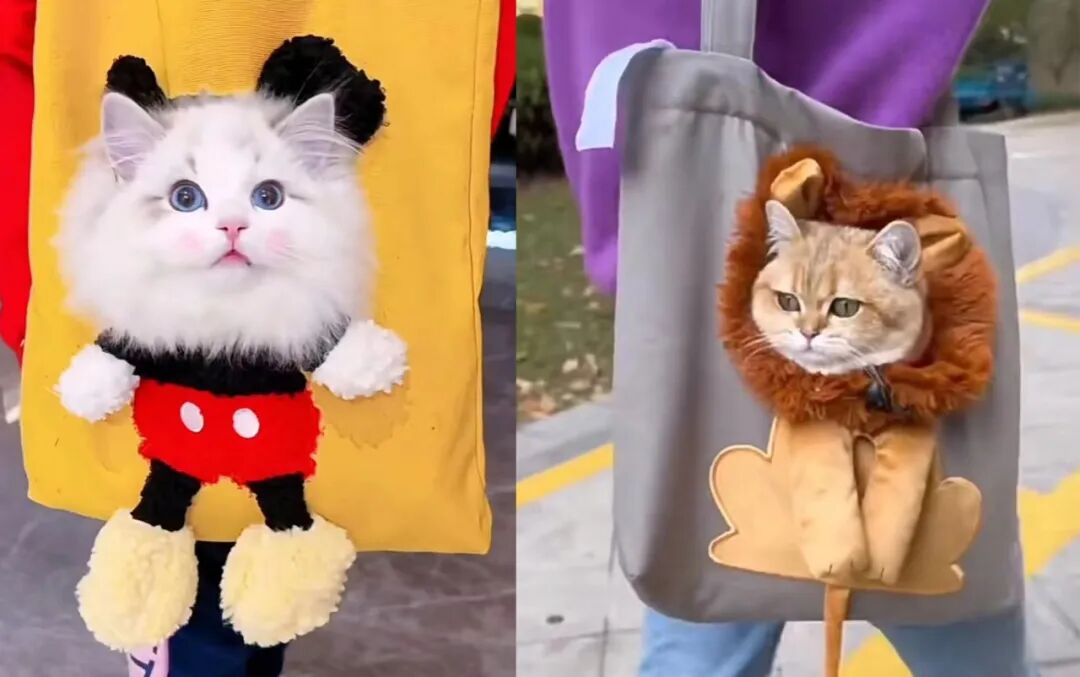
Cultural influences from neighbouring countries, especially Japan, have also shaped Chinese attitudes toward cats. Japanese "cat culture," including the famous Hello Kitty character, cat cafes, and the beloved manga and anime series about feline adventures, has long been popular in China. More recently, the "Neko" aesthetic, which celebrates the mysterious, graceful, and slightly aloof nature of cats, has merged with China's own rising "cute economy" or "meng" culture. The concept of "meng", which roughly translates to adorable, childish, and innocent charm, is highly prized among young Chinese consumers. Cats, with their large eyes, soft fur, and playful behaviours, embody this quality perfectly. Many young people treat their cats as "fur children," dressing them in tiny costumes, pushing them in strollers, and celebrating their birthdays with specially made cakes. This anthropomorphisation of cats allows owners to experience the joys of nurturing without the immense financial and personal sacrifices required for a human child. In a country where the cost of raising a child has become prohibitive for many, and where government policies have only recently started to relax the one-child limit, the cat offers a compromise that is both emotionally satisfying and economically feasible.
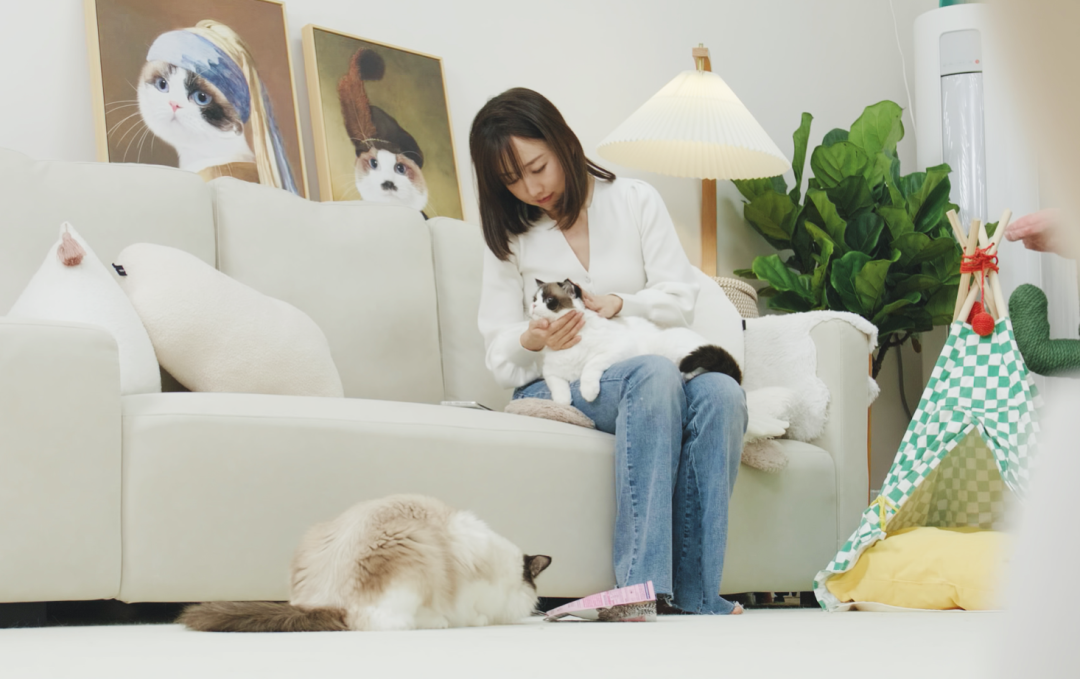
However, this growing affection for cats is not without its negative aspects, and a balanced view must acknowledge the potential harms and pitfalls. One significant concern is that cat ownership may exacerbate rather than alleviate social isolation. While a cat can provide comfort, it can also become a substitute for human interaction. Some psychologists in China have observed young people who spend almost all their non-working hours alone with their cats, communicating with colleagues only through work-related messages and with friends only through social media. They report feeling less motivated to go on dates, attend social gatherings, or maintain friendships because their emotional needs are partially met by their pet. In extreme cases, this can lead to a cycle of loneliness where the cat becomes a crutch that prevents the owner from developing the social skills and networks necessary for a healthy life. The cat, after all, cannot talk back, challenge one's opinions, or provide the kind of deep, reciprocal relationship that human beings inherently need.
Another negative aspect is the environmental and ethical cost of the booming cat industry. China now has one of the largest pet food markets in the world, and the production of meat-based cat food places strain on global resources. Moreover, the trend of buying purebred cats from irresponsible breeders has led to animal health problems, including genetic disorders in breeds such as Scottish Folds and Persian cats. Some breeders keep cats in appalling conditions, treating them as living factories to produce kittens for sale. While many young owners claim to love their cats dearly, they may not always examine the origins of their pets. The desire for a specific look, such as a flat face or folded ears, can inadvertently support cruel breeding practices. Additionally, the disposal of cat litter, much of which is made from non-biodegradable clay or silica, contributes to landfill waste. Environmental awareness among young Chinese is growing, but it has not yet extended significantly to the ecological paw-print of their feline friends.
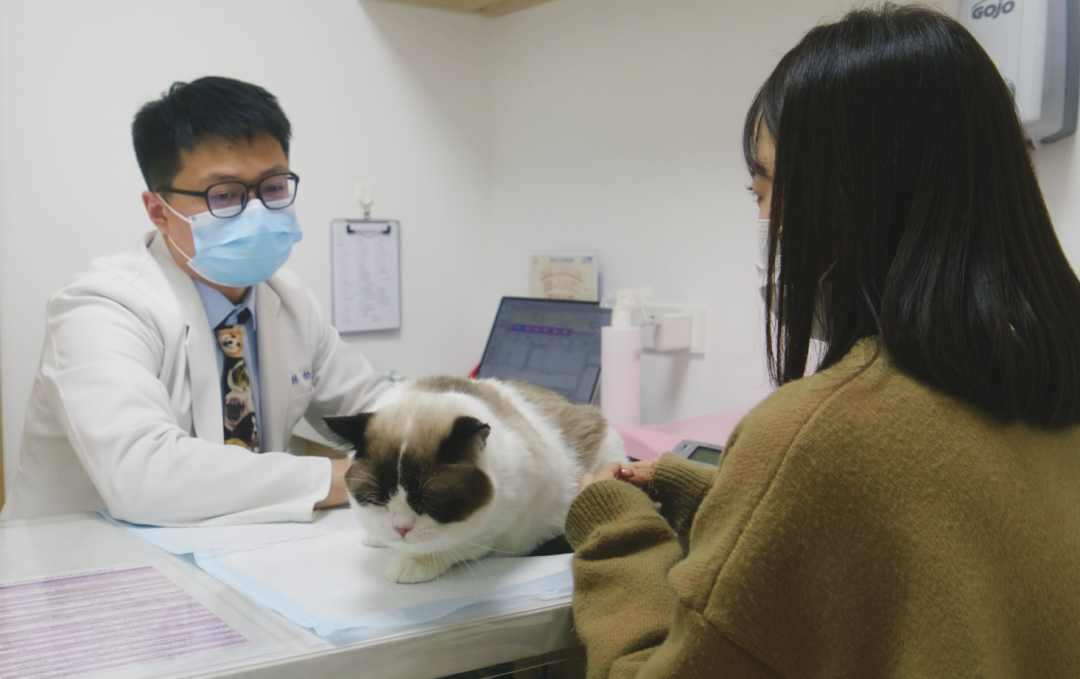
A more troubling issue is the problem of cat abandonment. Despite the widespread affection for cats, China does not yet have a robust culture of pet guardianship that spans a cat's entire natural lifespan, which can be fifteen years or more. Young people's lives are often in flux: they may change jobs, move to a different city, lose their rental lease, or fall in love with a partner who is allergic to cats. When such disruptions occur, some owners choose to abandon their cats on the street rather than make the effort to rehome them. Stray cat populations in Chinese cities have swelled as a result, and shelters are perpetually overcrowded and underfunded. The cats that are so beloved in photographs often become nuisances or victims when their owners' circumstances change. Furthermore, some young people acquire cats impulsively after seeing cute videos online, without fully understanding the financial commitment involved. Veterinary care, especially for emergency surgeries or chronic illnesses such as kidney disease, can cost thousands of yuan. A sudden large bill may lead an owner to forgo treatment or, in the worst cases, to release the sick cat onto the street. This dark side of the cat trend reveals that the love young Chinese express for cats is not always deep or durable.
Health concerns also deserve mention. Cat allergies are common, and many young people who adopt cats discover only later that they are allergic to dander or saliva. Living with constant sneezing, itchy eyes, or even asthma can significantly reduce quality of life, yet some owners are reluctant to give up their pets after bonding with them. Others may not be allergic themselves but live in shared apartments where flatmates suffer. The conflict between pet love and health can strain relationships and living situations. Additionally, cats can transmit parasites such as toxoplasma gondii, which poses a particular risk to pregnant women. While the risk is manageable with proper hygiene, not all young owners are well-informed, and the pressure to appear as a devoted cat parent sometimes leads to downplaying or ignoring these health realities.
On a broader social level, some conservatives in China have expressed concern that the cat craze reflects a decline in traditional values. In a culture that historically emphasises filial piety and the continuation of the family line, choosing to invest one's time and money in a cat rather than in finding a spouse or raising a child is seen by some as self-indulgent and even irresponsible. Comments sections on social media occasionally feature older generations scolding young cat owners for being "unfilial" or "escaping reality." Government-affiliated media have published articles questioning whether the popularity of pets signals a lack of patriotic zeal or a preference for Western-style individualism. While such criticisms may seem extreme to outside observers, they are part of the real social atmosphere in which young Chinese cat owners live. The choice to love a cat is not made in a vacuum; it is a small act of defiance or resignation, depending on one's perspective, against the immense societal expectation to marry, reproduce, and prioritise human relationships over animal ones.
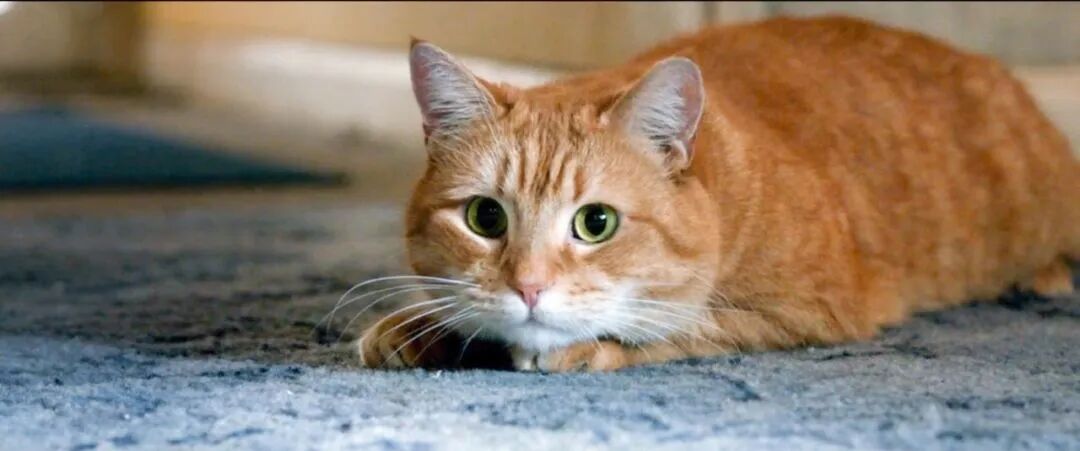
Despite these negative aspects, the overall trend shows no sign of reversing. Pet industry reports indicate that China's cat population has grown by double digits annually for several years, and the majority of new pet owners are under thirty-five. The covid-19 pandemic, with its lockdowns and prolonged periods of working from home, accelerated this trend, as many young people who suddenly found themselves isolated sought the comfort of an animal companion. Moreover, the Chinese government's recent relaxation of the one-child policy to two and then three children has not yet produced a baby boom, partly because young people remain sceptical about their ability to afford children. In the absence of affordable childcare, adequate parental leave, and affordable housing, a cat remains a far more attainable source of familial warmth.
Looking ahead, it is likely that the culture of cat ownership in China will mature. As more young people become long-term cat owners, they will develop better awareness of responsible pet care, including spaying and neutering, regular veterinary check-ups, and the importance of adoption over buying from breeders. Already, a vocal community of animal welfare advocates is emerging on Chinese social media, using their platforms to educate others about what it truly means to be a cat guardian. They share stories of rescuing abandoned cats and provide tips on budgeting for pet healthcare. They also openly discuss the downsides of cat ownership, such as sleep disruption caused by nocturnal behaviour, damage to furniture from scratching, and the emotional pain of losing a pet to illness or old age. This honesty helps potential owners make informed decisions and reduces the likelihood of impulsive adoption followed by abandonment.
In conclusion, the rising popularity of cats among young Chinese people is a multifaceted phenomenon rooted in the practical, emotional, economic, and cultural realities of contemporary China. For many, a cat is a lifeline in an isolating and high-pressure world, providing unconditional affection that human relationships may fail to offer. For others, it is a fashionable accessory or a source of online fame. Yet for all the joy that cats bring, the trend also carries shadows of loneliness, consumerism, and moral ambiguity. The same young people who post adorable photos of their cats may one day face a choice between their pet and a job in another city, or between expensive veterinary treatment and a new smartphone. Whether the growing love for cats will ultimately strengthen or weaken the fabric of Chinese society is an open question. What is undeniable is that the humble house cat, with its inscrutable gaze and soft purr, has become a silent witness to one of the most profound generational shifts in modern Chinese history. And as long as young people continue to navigate the labyrinth of urban existence, the cat will likely remain a cherished companion, a mirror of their hopes, fears, and quiet rebellions.

