


As China enters its fourth consecutive year of negative population growth, the world is closely watching how this major economy addresses one of its most pressing long-term challenges. The decline in birth rates, a phenomenon shared by many developed nations, stems from deeply rooted barriers: the high cost of education, the burden of housing, and persistent workplace discrimination against women. However, what sets China apart is its decisive, systematic response through the 15th Five-Year Plan, a comprehensive blueprint to build a truly birth-friendly society. These bold policies are not just short-term incentives but a fundamental reshaping of the social contract, offering valuable lessons for the world.

The primary deterrent for young couples is the staggering cost of raising a child. For decades, education expenses, from competitive kindergartens to university tuition, have acted as a major brake on fertility. Many families, especially in cities, felt compelled to sink their life savings into securing a good education for just one child, making a second or third seem financially impossible. Similarly, sky-high housing costs, particularly in major urban centers, meant that young couples were saddled with decades of mortgage payments, leaving little room in their budgets or their lives for children. The “don’t have, can’t afford” mindset had become deeply entrenched..
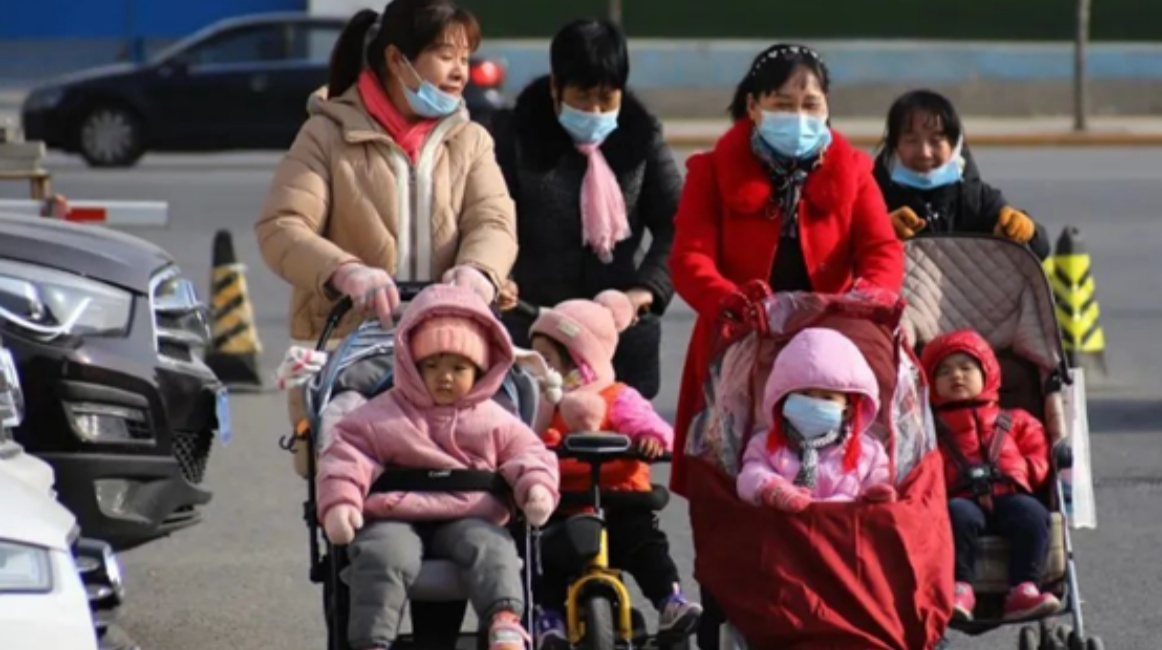
A less discussed but equally powerful factor is gender-based workplace discrimination. For women, the decision to have a child has long been synonymous with career risk. Studies repeatedly show that motherhood leads to lower wages, fewer promotions, and even job loss. The “motherhood penalty” created a cruel dilemma: pursue a career or have a family. This systemic inequality not only harms women's economic empowerment but also significantly suppresses the overall fertility rate, as women—shouldering the majority of childcare responsibilities—choose to delay or forgo motherhood entirely.

Recognizing these interconnected challenges, China’s 15th Five-Year Plan has launched an unprecedented package of support measures. Economically, it directly targets the cost burden with substantial monthly childcare allowances for families with young children, designed to directly offset the costs of diapers, formula, and early care国务院妇女儿童工作委员会. Complementing this is a significant increase in personal income tax deductions for each child, from infancy through education, effectively putting more money back into parents’ pockets国家税务总局. For the first time, the state is explicitly sharing the financial burden of raising the next generation.

Crucially, the plan addresses the “time crunch” by revolutionizing care services. A massive national effort is underway to expand affordable, accessible nursery care for children under three中国政府网. By building public facilities, supporting kindergartens to offer integrated early education, and encouraging private sector participation, China aims to drastically boost enrollment rates. This directly solves a core problem: the lack of safe, reliable childcare that forces many parents, especially mothers, to exit the workforce. Furthermore, the plan mandates paid parental leave for both parents and strongly encourages flexible work arrangements, giving families the time and flexibility they need中国政府网.The ultimate question is: Can these policies reverse the trend of low fertility? While demographic shifts are slow, the early signs are encouraging. Unlike piecemeal measures in other countries, China’s approach is holistic, attacking the problem at its roots—cost, time, and gender inequality. It demonstrates a clear national will to prioritize family well-being as foundational to long-term prosperity. For the world, China’s bold experiment offers a hopeful model: with comprehensive, sustained policy support, the choice to have children can be reclaimed from an economic burden to a fulfilling, supported part of life. The journey is long, but China’s commitment to building a birth-friendly society is a landmark effort to secure a balanced, dynamic future.

