


Phenomenon Insight: The Proliferation of "Fake Queues" in Internet-Famous Restaurants
Nowadays, the internet-famous economy has deeply penetrated the catering industry. Many internet-famous restaurants have quickly become popular with their exquisite decoration and creative dishes, and queuing for check-in has become a normal scene. However, under the prosperous appearance, false chaos continues to ferment. Internet-famous restaurants in many places have been exposed for fraudulent behaviors such as hiring shills to queue, artificially lengthening waiting time, brushing orders and controlling reviews, and fabricating customer flow. Merchants hire part-time workers at an hourly wage to queue repeatedly, creating a "hard-to-get-a-seat" boom atmosphere. Combined with a large number of positive reviews and exquisite store-visit copy on social platforms, they create an illusion of a bustling store. This deliberately created traffic prosperity misleads a large number of consumers to follow the trend and check in. However, after consumers arrive at the store, they often encounter a huge gap between the rough dishes, ordinary taste and extremely low cost performance. The chaos of false traffic in internet-famous restaurants not only disrupts the normal order of the catering market, but also makes the bottom line of integrity in the catering industry be questioned, triggering extensive social discussion.
Root Cause Analysis: The Pursuit of Traffic Breeds the Chaos of Integrity Deficiency
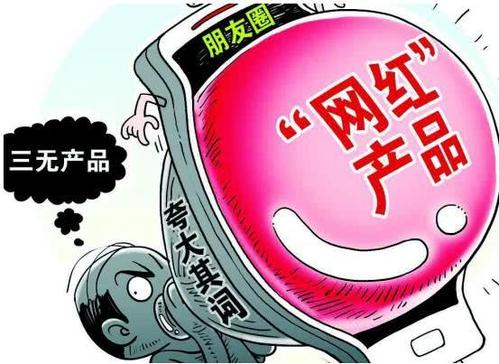
The chaos of false queues and traffic water injection in internet-famous restaurants is the result of the superposition of multiple factors such as the market's profit-seeking mentality, the lack of industry rules and lagging supervision. First of all, traffic monetization has become the core business logic. Most internet-famous restaurants rely on online traffic to survive. Compared with deepening the quality of dishes and polishing the service experience, hiring shills to create momentum and falsifying traffic have lower costs and faster results. They can quickly improve the store's popularity in a short time, attract customers and raise the average customer price, which has become the first choice for some merchants to take shortcuts. Secondly, the industry competition is becoming increasingly fierce. The catering industry has serious homogenization, and a large number of internet-famous restaurants have a short life cycle. In order to quickly stand out and seize the market in the fierce competition, some merchants abandon the concept of honest operation and rely on false traffic to gain attention. Finally, there are loopholes in supervision and identification. At present, the definition standards for behaviors such as false queuing and hiring shills in the catering industry are vague, and the punishment is weak. At the same time, ordinary consumers are difficult to distinguish the authenticity of traffic, and social platforms are not strict enough in the review and control of false store visits and brush reviews, making fraudulent behaviors fearless and recurring.
Harms of Chaos: Draining Market Trust and Disrupting Industry Ecology
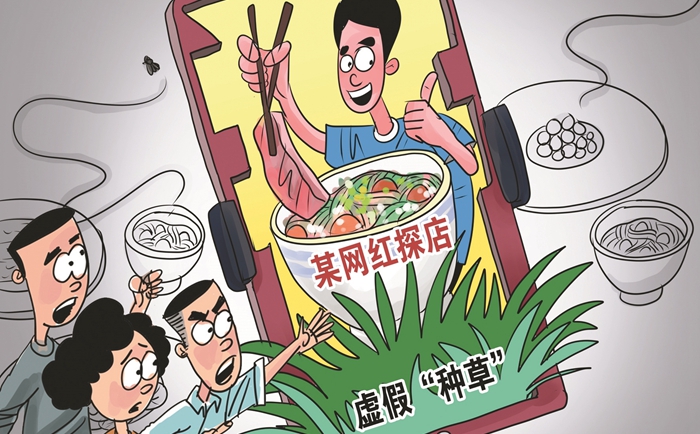
The behavior of internet-famous restaurants falsifying traffic, although seemingly a marketing method of merchants, is actually far-reaching and harms the interests of multiple parties. For consumers, false traffic creates consumption traps. Consumers are misled by false popularity to consume blindly, which not only costs a lot of time and money, but also encounters a bad dining experience, and their consumer rights and interests are seriously infringed. For compliant operators, speculative merchants occupy traffic and harvest customers by fraud, forming unfair market competition. Physical stores that steadily focus on quality and service are marginalized, which seriously dampens the enthusiasm of honest operators. From the perspective of the industry as a whole, frequent fraudulent behaviors continue to drain the credibility of the catering industry, making consumers have a crisis of trust in internet-famous catering and form the inherent impression that "internet-famous means stepping on thunder". In the long run, the catering industry will fall into a distorted development model of "valuing traffic over quality", destroying the benign industry ecology and restricting the long-term and healthy development of the catering market.
Joint Governance: Building a Line of Defense for Honest Catering Operation
To rectify the chaos of false traffic in internet-famous restaurants and reshape the integrity system of the catering industry, it is necessary for merchants, platforms and regulatory authorities to work together and co-govern. Merchants need to adhere to the original intention of operation, abandon the speculative thinking of traffic, recognize that the core competitiveness of the catering industry has always been the quality of dishes, food safety and service quality, abandon the short-term profit-seeking mentality, and replace false traffic with real word of mouth to achieve sustainable operation. Major social and store-visit platforms need to fulfill their main responsibilities, improve the content review mechanism, use technical means to screen false store-visit copy and batch brush reviews, crack down on the behavior of water armies creating momentum, purify the network communication environment, and restore the real operation situation of the store. Market regulatory authorities should refine supervision rules, clarify the definition standards and punishment mechanisms for false catering traffic and false marketing, increase the intensity of inspections and spot checks, and punish and publicize merchants who hire shills to queue and conduct false publicity in accordance with the law to form an effective deterrent. At the same time, smooth the channels for consumers to complain and report, encourage the public to take the initiative to safeguard their rights, and force merchants to standardize their operations.
Positive Industry Trend: Returning to Quality-Oriented and Reshaping New Industry Norms
With the continuous tightening of supervision and the increasing rationality of consumers, the "traffic bubble" of internet-famous catering is gradually bursting, and the industry has entered a key node of transformation and upgrading. Internet-famous stores that rely solely on marketing and traffic fraud are gradually eliminated by the market, while characteristic catering stores that adhere to integrity and focus on quality continue to remain and develop steadily. At present, consumers' consumption concepts are becoming more mature. They no longer blindly follow the popularity of internet-famous stores, but pay more attention to the taste of dishes, dining experience and cost performance, and rational consumption has become the mainstream trend. Under the pattern of joint governance, the catering industry is gradually getting rid of the distorted model of "valuing marketing over quality", saying goodbye to the chaos of traffic speculation, and returning to the business essence of "integrity-based and quality-first". In the future, the catering industry will completely abandon the bubble of false traffic, build core competitiveness with real word of mouth, high-quality service and excellent quality, and form a healthy, orderly, honest and standardized new industry norm.

