


Obesity is no longer merely a "body image issue" but a major public health challenge threatening the health of Chinese residents. With the improvement of national living standards, changes in dietary structure and lifestyle, the obese population has grown rapidly, covering all age groups and groups.
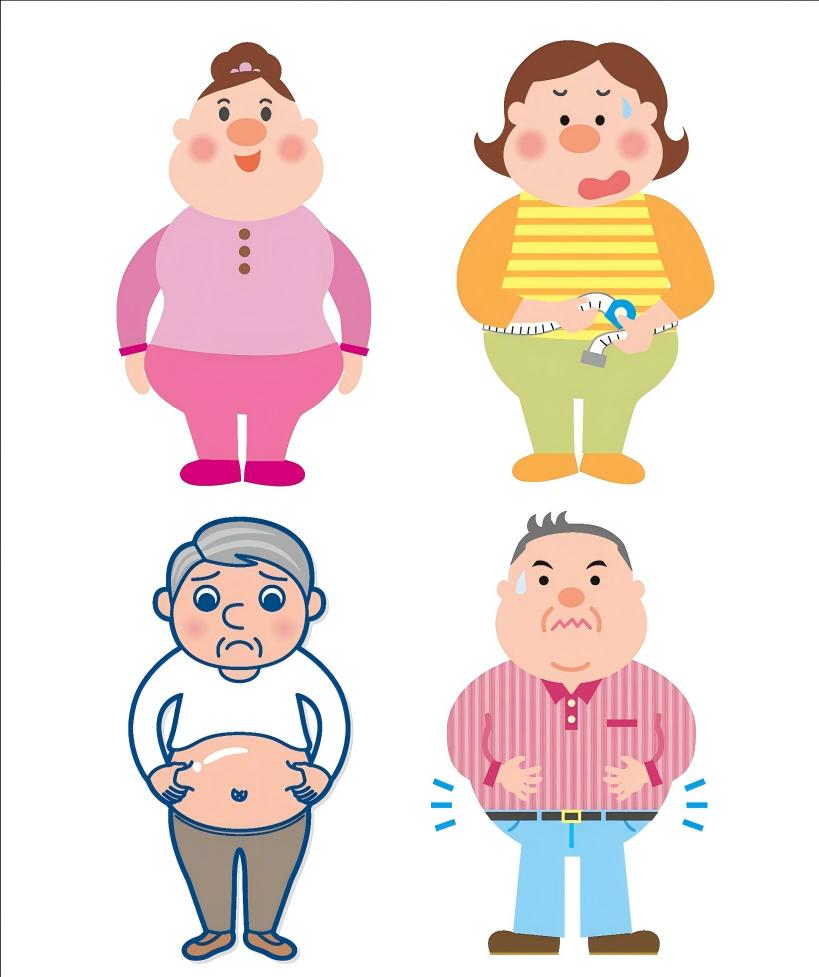
Grim Current Situation: Obesity Rate Exceeds 50%, with Obvious Full-Population Coverage
Data from the National Health Commission shows that obesity in China has entered a high-incidence period and is continuing to rise. The latest statistics indicate that the overweight rate of residents aged 18 and above reaches 34.3%, and the obesity rate is 16.4%, with the combined overweight and obesity rate exceeding 50%, meaning one out of every two adults is overweight. According to the World Obesity Federation's "2025 World Obesity Map", 41% of Chinese adults over 18 will be overweight (BMI ≥ 25kg/㎡) and 9% will be obese (BMI ≥ 30kg/㎡) in 2025. According to China's local standards (BMI ≥ 24kg/㎡ for overweight and ≥ 28kg/㎡ for obesity), this figure will be even higher.
Obesity has covered the entire population, and the problem of obesity among adolescents and children is particularly prominent. Data shows that the obesity rate of children and adolescents aged 6 to 17 is close to 20%, and the obesity rate of children under 6 is 10%, which has become a hidden danger affecting the health of the next generation. There are significant regional and gender differences: the probability of overweight is higher among urban residents than rural ones, and the overweight ratio of males (41.1%) is much higher than that of females (27.7%). Obesity poses significant health risks: for every 5 kilograms of weight gain, the risk of diabetes increases by 27%, and it is also a major inducement for hypertension, cardiovascular and cerebrovascular diseases, and some cancers. Predictions show that by 2030, the number of overweight/obese adults in China will reach 515.04 million, the overweight and obesity rate will rise to 65.3%, and the related medical expenses may reach 418 billion yuan, accounting for 21.5% of the total national medical expenses.
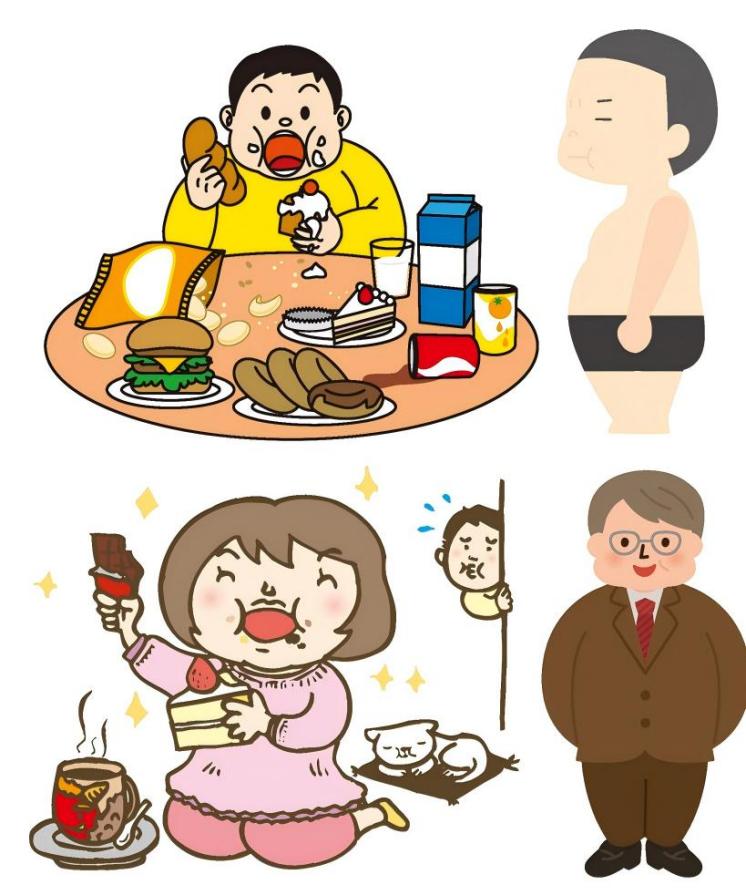
Multi-Dimensional Analysis: Four Core Causes of High Obesity Incidence
The rise in China's obesity rate is the result of the combined effect of multiple factors including heredity, diet, lifestyle and social environment, forming a "fat-inducing cycle".
Imbalanced dietary structure is the primary inducement. The fat energy supply ratio of Chinese residents has increased from 24.83% in 1991 to 34.89% in 2018, far exceeding the 25%-30% range recommended by the World Health Organization, while the carbohydrate energy supply ratio has dropped to 51.41%. The popularization of ultra-processed foods, excessive intake of high-oil, high-sugar and high-salt foods, and the rise of the takeout industry have further aggravated unhealthy eating, leading to excessive calorie intake.
Lack of exercise is an important driving force. Modern life has significantly reduced residents' physical activity, with sedentary life becoming the norm. Office workers and students sit at their desks for a long time, and the popularization of transportation and electronic products has further reduced energy consumption. At the same time, residents have a weak awareness of active exercise, and the proportion of regular exercise is low, making it difficult to achieve a balance between calorie intake and consumption.
Heredity and environment provide the "fat-inducing foundation". The primitive instinct of humans to store energy has become a potential inducement in modern times with sufficient food supply. Some people are more likely to absorb calories due to their "fat-prone constitution"; the urban environment shortens residents' walking distance, and the abundance of high-calorie foods in shopping malls indirectly increases the risk of obesity. In addition, macrosomia caused by excessive nutrition during pregnancy has a much higher chance of being overweight or obese in the future than ordinary children, forming an "intergenerational transmission" effect.
Cognitive misunderstandings exacerbate the spread of obesity. Some residents hold the concept that "being a little fat is okay" and "being able to eat is a blessing", and have insufficient understanding of the health hazards of obesity; false weight loss information is prevalent, 38% of people have tried "carbon-free" and "meal replacement" weight loss, and 25% of obese people follow the trend to buy quick-acting weight loss products, which instead leads to weight rebound.

Positive Trend: Multiple Measures Taken, Initial Results in Obesity Prevention and Control
China has incorporated weight management into the "Healthy China" strategy, with multiple departments working together to promote prevention and control work from multiple dimensions, achieving phased results.
Policy support lays a solid foundation. The "Healthy China Action (2019-2030)" launched in 2019 took healthy weight as the core goal. In 2024, 16 departments launched the "Weight Management Year", and in 2025, it promoted the construction of weight management clinics, increasing the per capita financial subsidy standard for basic public health services to 99 yuan, which is specifically used for weight management. The "Guidelines for the Diagnosis and Treatment of Obesity (2024 Edition)" clarified that obesity is an independent chronic disease, and the State Administration for Market Regulation severely cracked down on false weight loss publicity.
Medical and community intervention has been deepened. More than 5,500 medical and health institutions across the country have set up weight management clinics, equipped with multidisciplinary physicians; grassroots medical personnel carry out dietary and exercise guidance based on practical operation manuals. Local practices such as Xiaoshan's "medical-community linkage" in Zhejiang, Beijing's "intelligent weight files", and Guangdong's "fatty kid" database have achieved remarkable results. Artificial intelligence and wearable devices are also widely used in weight management.
The concept of national health has been improved. The National Administration of Disease Prevention and Control popularizes health knowledge, and the "Healthy Weight into Scenarios" activities in various regions have covered more than 80 million people, with the number of users of online weight management tools surging by 72%. Residents' dietary and exercise habits have improved, the sales of low-fat and sugar-free foods have risen, and exercise weight loss has become a new trend. Participants in weight loss programs in some regions have lost an average of 8% of their weight, and their health risks have been significantly reduced.

Future Outlook: Building a Long-Term Prevention and Control System with Full Public Participation
Although initial results have been achieved in prevention and control, the problem of obesity still requires long-term efforts. It is necessary to build a long-term system of "government guidance, social participation and individual responsibility", and promote the transformation of prevention and control from "passive intervention" to "active prevention".
At the policy level, we will deepen inter-departmental coordination, increase support for the construction of weight management clinics, improve relevant laws and regulations, standardize food production and sales, incorporate weight management into basic education, and start with adolescents to curb obesity from the source.
At the medical and technological level, we will strengthen the innovation of diagnosis and treatment technologies, promote the multidisciplinary intervention model, optimize weight loss programs, and build residents' health files relying on artificial intelligence and big data to achieve early warning and precise intervention of obesity risks.
At the social and individual level, we will popularize prevention and control knowledge and eliminate cognitive misunderstandings; enterprises will launch more healthy products and services, and communities will improve fitness facilities; individuals will take the initiative to adjust their diet, adhere to exercise, and form a healthy lifestyle of "balance between diet and exercise".
Obesity prevention and control is a long and arduous task. With the continuous efforts of policies, the progress of medical technology and the improvement of national health awareness, the obesity rate of Chinese residents will be gradually controlled, and the national health level will be further improved, allowing everyone to have a healthy body and pursue a better life.

