


Facing the reality of an aging population with over 310 million people aged 60 and above,,China has addressed the challenge of "aging before affluence" through top-level design, elevating the silver economy to a national strategy. The State Council issued the Opinions on Developing the Silver Economy and Enhancing the Well-being of the Elderly, outlining pathways for large-scale, standardized, and clustered development. It has activated market vitality through policy levers such as fiscal subsidies and tax incentives—age-appropriate products are included in trade-in subsidy programs, some regions offer consumption subsidies of up to 30%, and people's livelihood services like elderly meal assistance and home-based care have received special support. From deploying high-level silver economy industrial parks in the Beijing-Tianjin-Hebei region and the Yangtze River Delta to advancing the formulation of 200 national standards for age-appropriate products and services, the policy system not only focuses on basic safeguards for "pressing needs" but also delineates clear paths for industrial upgrading. This has formed a collaborative pattern of "government guidance, market leadership, and social participation," transforming the challenge of aging into a new opportunity for economic transformation.
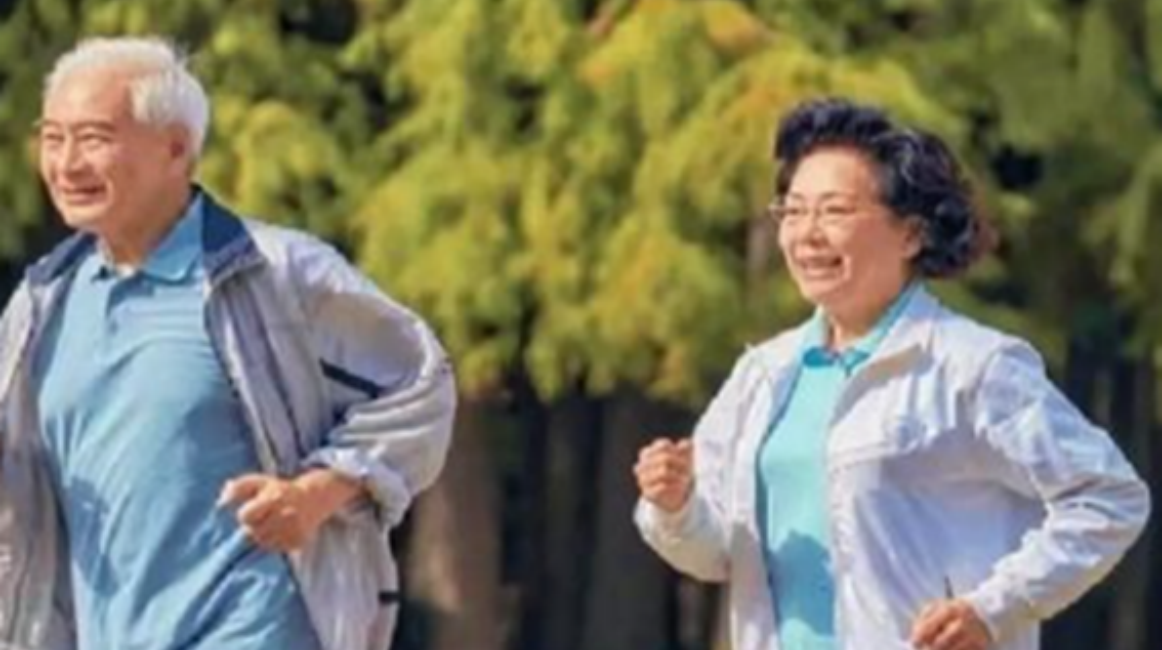
China's silver economy is evolving from traditional elderly care to diversified consumption upgrading, emerging as one of the world's most promising consumer markets. Its market size reached 8.3 trillion yuan in 2024 and is projected to exceed 30 trillion yuan by 2035, accounting for approximately 10% of GDP. The profound transformation in consumption structure is particularly striking: the post-1960s "new elderly" group has driven an explosion in spiritual consumption—per capita spending on elderly travel has increased by 50%, with formats such as Ctrip's "slow travel" routes and Hainan's health and wellness tourism growing by over 30% annually. Demand for elderly education has surged, with the National University of the Elderly building a nationwide service platform; courses such as drone photography and short video production have attracted over 50 million online users. From age-appropriate home furnishings and health foods to cultural, recreational, and social services, silver consumption has formed 10 categories covering 15,000 product types. It not only meets subsistence needs but also spurs high-quality and personalized supply, demonstrating the unique resilience of a super-large-scale market.
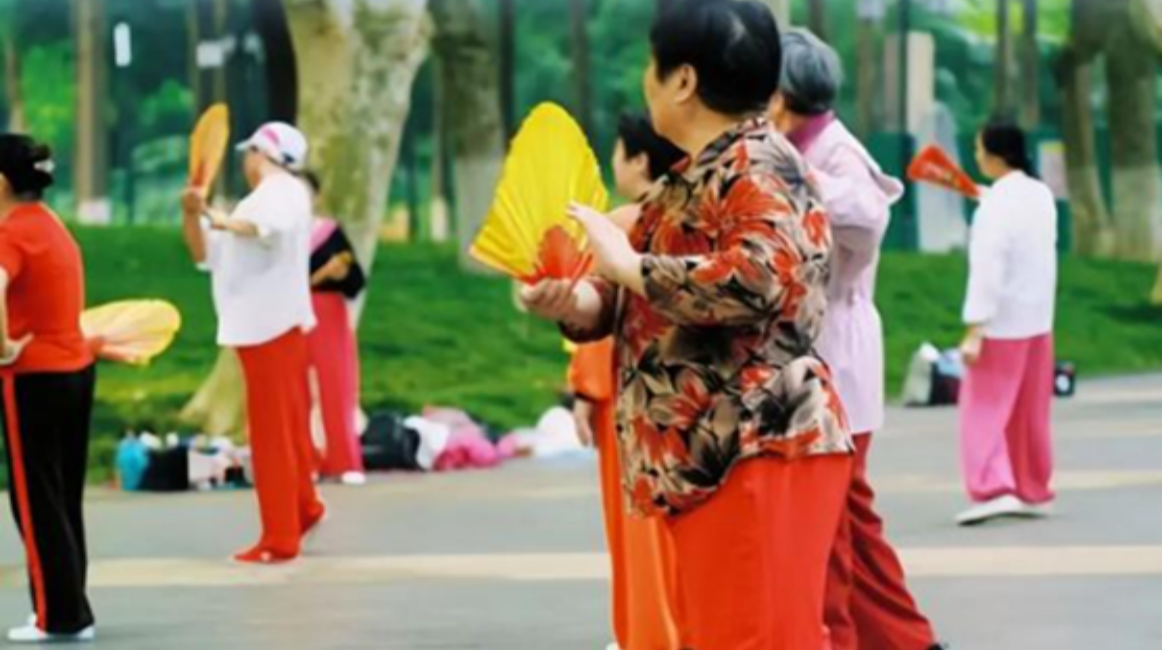
Technology has become a key driver in resolving the supply-demand imbalance in elderly care services, accelerating the shift from "basic care" to "quality living" for seniors. China's annual R&D investment in silver technology exceeds 400 billion yuan, with intelligent devices deeply integrated into practical scenarios: wearable devices such as AI fall-detection radar and ECG monitoring bracelets have achieved an annual growth rate of 187%, while care robots and emotional companion robots have entered tens of millions of households. In community-embedded services, AI access control and one-click call systems have shortened emergency response times to within 5 minutes, and smart health platforms provide full coverage of remote consultations and rehabilitation guidance. Technology not only improves service efficiency but also bridges the digital divide—Haier has simplified the interaction logic of smart home appliances, and e-commerce platforms have launched elderly-specific interfaces, enabling seniors to easily access digital convenience. This "technology + silver economy" model not only addresses the shortage of professional care personnel but also enhances the dignity and quality of elderly life, becoming a highlight of China's innovation closely watched by the international community.
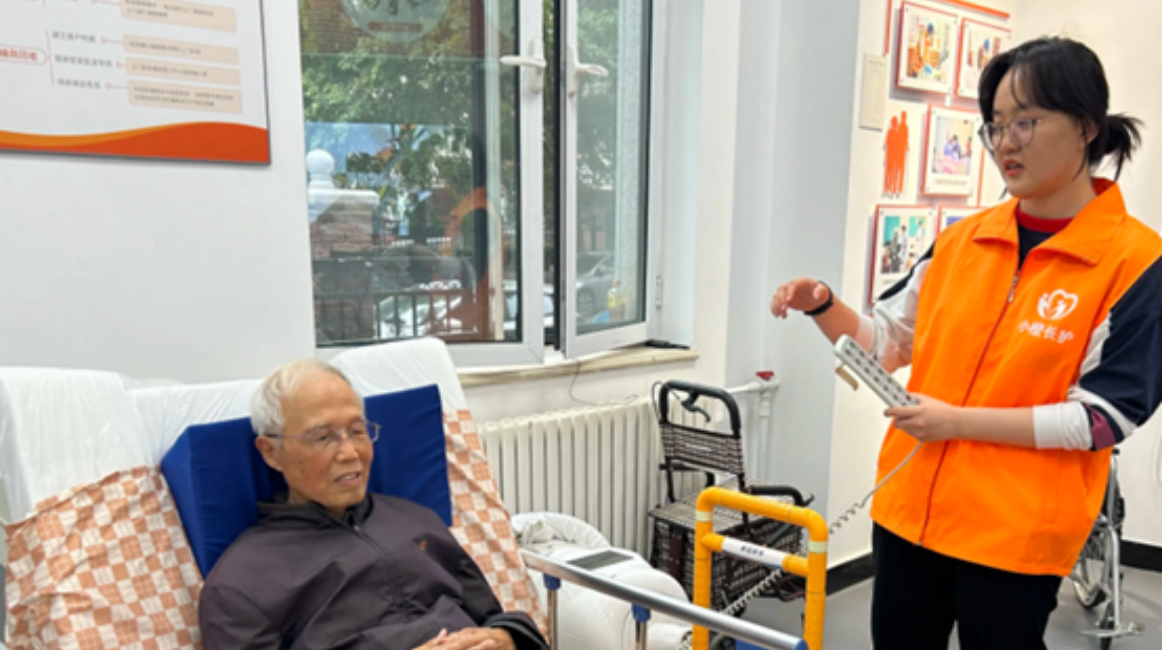
Catering to the diverse needs of different elderly groups, China is building a multi-level and diversified elderly care service network. At the inclusive level, the "15-minute community living circle" has covered urban and rural areas, making services such as elderly meal assistance, home-based bathing, and door-to-door medical visits easily accessible. People's livelihood projects like Shanghai's "100-yuan daily care packages" and Beijing's age-appropriate renovation programs allow ordinary seniors to enjoy convenient services. For the 40 million disabled and semi-disabled elderly, the coverage of long-term care insurance continues to expand; professional caregivers have become a sought-after profession with monthly incomes ranging from 6,000 to 12,000 yuan, effectively filling the talent gap. At the high-end segment, "medical-nursing integration" communities such as Taikang Home have an occupancy rate exceeding 95%, integrating medical, rehabilitation, cultural, and recreational resources to meet the quality needs of high-net-worth groups. Meituan's accompanying medical services cover 50 cities, addressing the pain points of elderly people living alone when seeking medical treatment. From home-based and community-based care to institutional services, and from basic safeguards to high-quality services, the diversified supply ensures that every elderly person can find a suitable care solution.
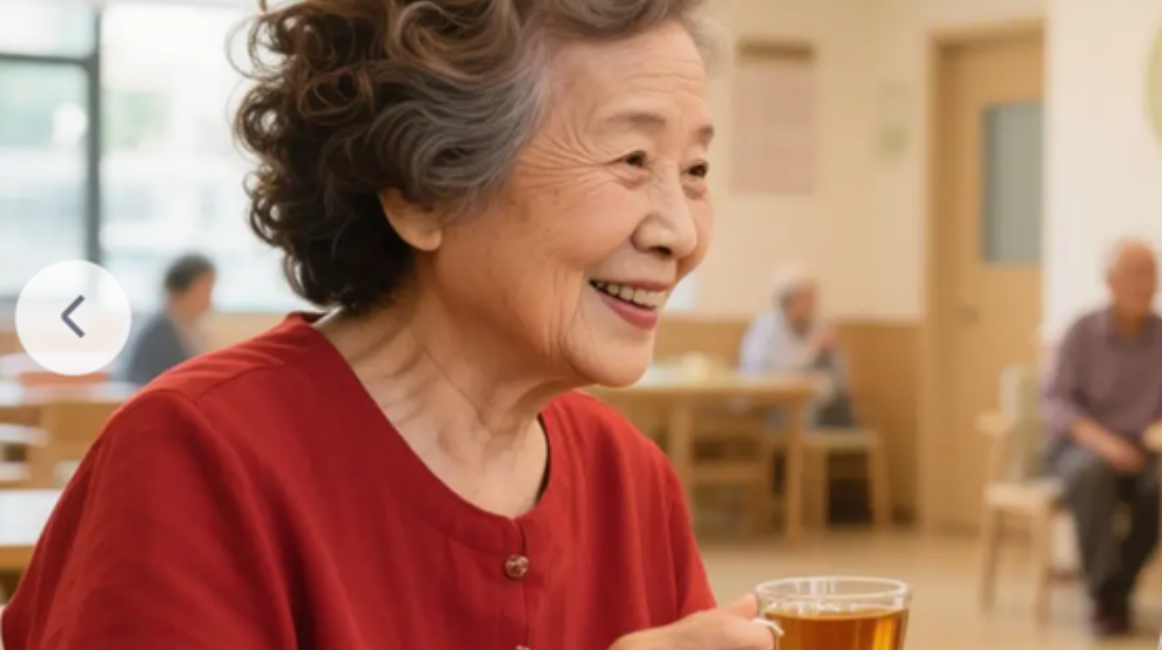
The rise of China's silver economy not only benefits the domestic market but also serves as a new link for global cooperation. Platforms such as the China International Import Expo (CIIE) and the China International Fair for Trade in Services (CIFTIS) have become exhibition windows for international age-appropriate products and technologies. Overseas new products—including IKEA's expanded age-appropriate spaces, Panasonic's intelligent electric beds, and Canadian emotional companion robots—have entered the Chinese market, seeking localized innovation and cooperation. China's collaborative efforts with Asian countries have achieved remarkable results: the Boao Forum for Asia has focused on regional silver economy development, promoting in-depth integration of industrial chains and supply chains, and providing an "Asian solution" for global aging governance. This open and cooperative stance not only allows Chinese seniors to access high-quality global resources but also offers broad market opportunities for enterprises worldwide. The United Nations Population Fund has commented that China "leads global cooperation in addressing aging," demonstrating the responsibility of a major power.

