


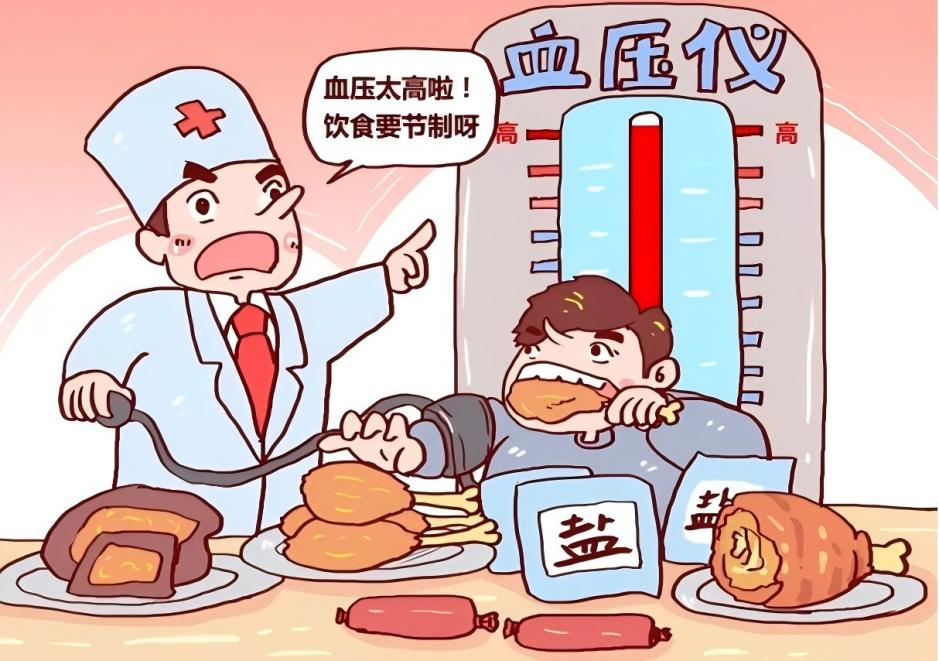
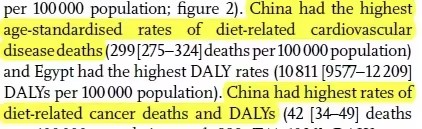
A global dietary study published in The Lancet shows that China has the highest mortality rates from cardiovascular diseases and cancer caused by unreasonable dietary structure among the world's top 20 most populous countries. More than 20% of Chinese people die from "eating incorrectly", and dietary imbalance has become one of the major threats to Chinese residents' health. Among them, three prominent issues—high salt intake, low whole grain intake, and low fruit intake—are the core causes of the high mortality rate. Data shows that the average daily salt intake of Chinese residents reaches 9.3 grams, far exceeding the 5-gram standard recommended by the Dietary Guidelines for Chinese Residents (2022); the daily dietary fiber intake is only 10.8 grams, less than half of the recommended amount, which is rooted in the serious insufficient intake of whole grains; the average daily fruit intake fails to meet the passing line, far from the optimal recommended amount. These shortcomings have jointly pushed up the risk of chronic diseases.
In-depth Analysis: Multiple Causes of Dietary Structure Imbalance
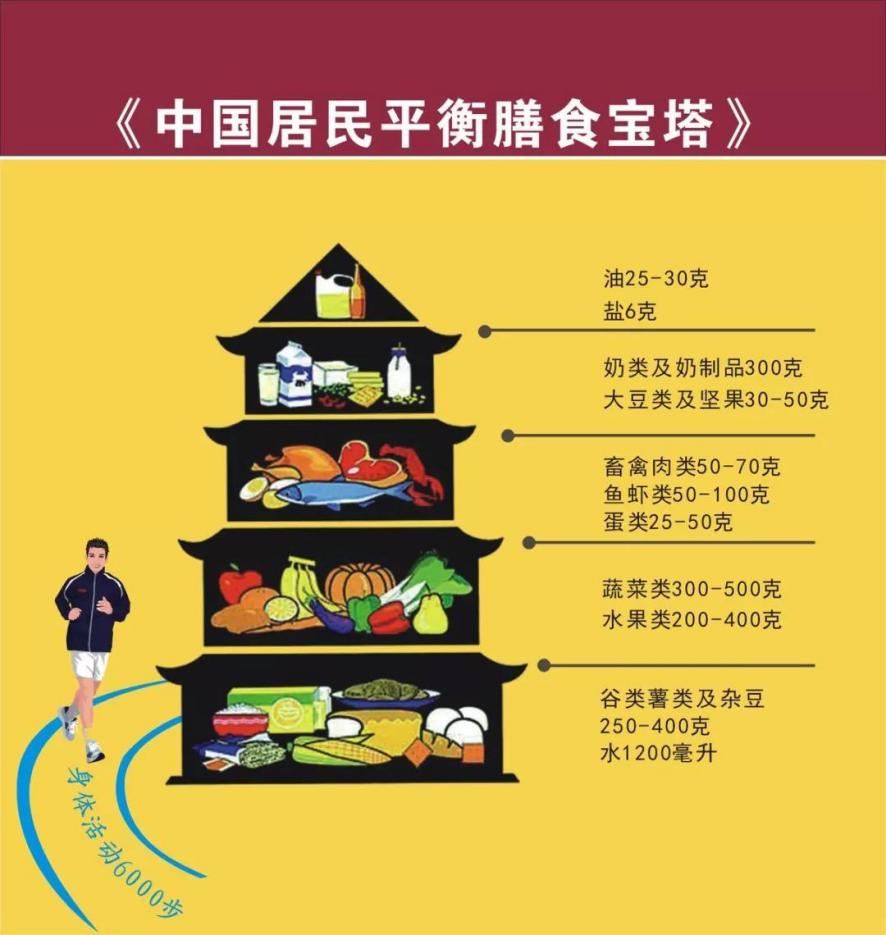
China's dietary structure predicament is not caused by a single factor, but by the superposition of multiple factors such as traditional habits, cognitive biases and living rhythms. First, traditional dietary concepts are deeply rooted. The preference for "salty and fragrant taste" makes high salt a normal part of the dining table, and the intake of hidden salt such as soy sauce and pickled products is also widely ignored. Second, residents' nutritional awareness is insufficient. The Report on Nutrition and Chronic Diseases of Chinese Residents (2023) shows that the awareness rate of the dietary pagoda among rural residents is only 41.7%, and the mastery rate of chronic disease dietary management knowledge among the elderly is less than 40%. Many people think that fruits are "not filling and expensive", or deliberately avoid them for fear of high sugar content. Third, the fast-paced life has promoted the simplification of diet. Takeout and ready-made meals have become popular, and high-oil and high-salt "dishes with rice" have become the mainstream, while whole grains and fruits have been gradually marginalized due to the cumbersome preparation. In addition, the concept of "staple food as the king" has led to refined rice and flour occupying the intake space of other nutrients, further exacerbating dietary imbalance.
Government Efforts: Multiple Measures to Solve the Dietary Dilemma
Faced with the health challenges brought by dietary structure imbalance, multiple departments of the Chinese government have worked together to introduce a series of measures to promote the transformation of dietary health. The Ministry of Agriculture and Rural Affairs, the National Health Commission and other departments jointly issued the Outline for Food and Nutrition Development in China (2025—2030), clearly putting forward specific goals of reducing salt intake, increasing whole grain intake and improving fruit intake. In terms of popular science publicity, it has continuously carried out the "National Nutrition Week" and "Healthy China Initiative", promoted healthy cooking methods, and popularized quantitative tools for salt, oil and sugar, which can reduce oil and salt consumption by 15% to 25%. In industrial guidance, it has promoted whole grain processing, improved the taste of whole grains, developed new soy products and plant-based meat products, and increased the supply of foods rich in dietary fiber. At the same time, it has improved the food safety and nutrition standard system, standardized the addition of salt and sugar in food processing links, and implemented the pre-packaged food nutrition labeling system to facilitate residents' scientific choices.
Initial Results: Positive Trends in Dietary Health
After years of efforts, China has achieved phased results in improving dietary structure, and the concept of healthy diet has gradually taken root in people's hearts. Residents' nutritional awareness has been significantly improved, with the awareness rate of the dietary pagoda among urban residents reaching 62.3%, and more and more families have begun to practice the concept of "reducing salt, oil and sugar". In terms of dietary behavior, the consumption ratio of whole grains and fruits has steadily increased, the intake of beans has maintained a good habit, and 82.4% of residents insist on eating soy products. At the industrial level, the variety of healthy products such as whole grain foods and low-sodium salt has become increasingly rich, and online catering has implemented the "Internet + clear kitchen and bright stove" model, forcing the catering industry to reduce the use of oil and salt. Data shows that the growth rate of overweight and obesity among Chinese residents has slowed down, the trend of younger onset of cardiovascular diseases has been curbed to a certain extent, and the health risks brought by dietary structure imbalance are gradually decreasing.
Conclusion: Healthy Diet Requires Persistent Efforts
Improving the dietary structure cannot be achieved overnight. Although China is still a major area with incorrect dietary habits, the government's strong measures and the awakening of residents' health awareness have laid a solid foundation for the path of healthy diet. Starting from changing the habits of each meal, reducing salt intake and increasing the collocation of whole grains and fruits can not only protect personal health, but also promote the improvement of the national health level. In the future, with the implementation of various tasks in the Outline, the dietary structure will continue to transform into a nutritionally healthy type, and "eating correctly" will eventually become the normal life of Chinese people.

