


Employment is the foundation of people's livelihood, and fairness is the soul of employment. Currently, China's job market continues to release vitality, but unreasonable phenomena such as workplace gender discrimination, maternity discrimination, and age discrimination have not been eradicated. These explicit and implicit barriers not only violate workers' right to equal employment and trigger disputes over employment fairness, but also become a shortcoming restricting the high-quality development of employment. From the recruitment red line of "only under 35 years old" to the implicit requirement of "not recruiting married women without children", various discriminatory behaviors urgently need to be faced up to and addressed.
I. Facing Reality: Diverse Manifestations of Workplace Discrimination and Fairness Dilemmas
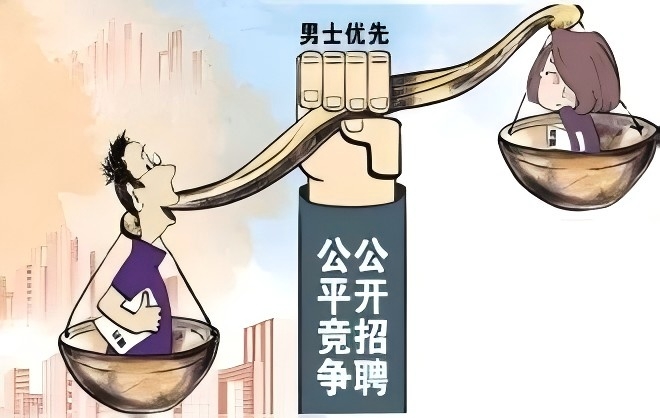
The core of workplace discrimination is the unreasonable differential treatment of workers by employers based on factors irrelevant to the core requirements of the position. Among them, gender discrimination, maternity discrimination, and age discrimination are the most typical, and they are shifting from explicit to implicit. Gender discrimination runs through the entire process of job hunting and promotion. Even if a position does not require high-intensity physical labor, some enterprises will mark "males only" or set higher academic and experience thresholds for female job seekers.
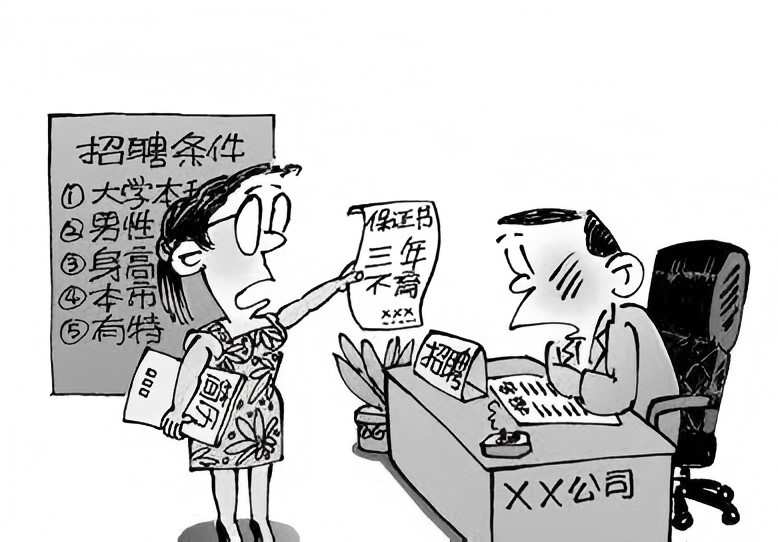
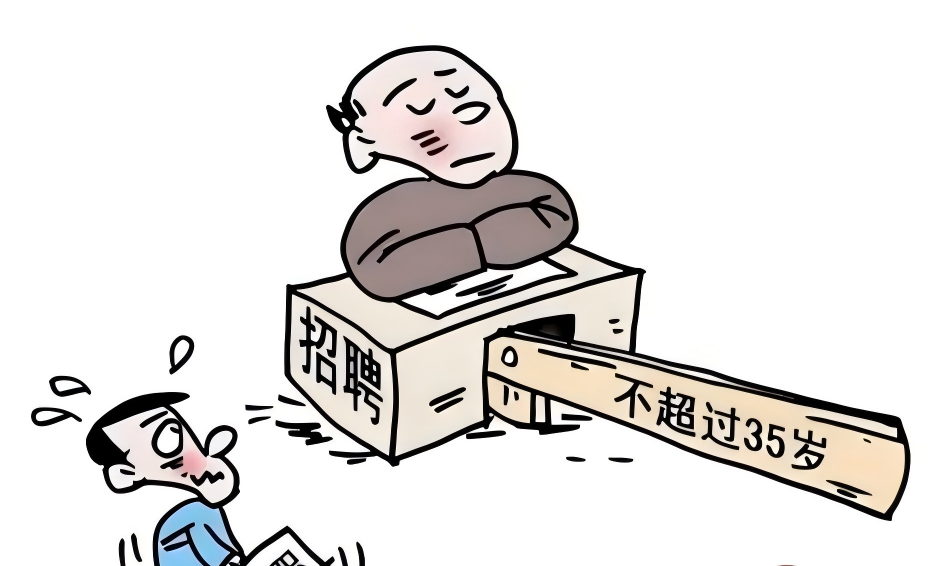
Maternity discrimination is an extension of gender discrimination and even a prominent pain point in the current job market. Many female job seekers are asked about their marriage and childbirth plans during interviews, and some are even required to promise "not to have children within 3 years". Married women without children are labeled as "potential maternity risks", while married women with children are worried about "being distracted and having no time for work". Even if they meet the ability requirements, they often encounter obstacles in job hunting. Age discrimination mainly focuses on groups over 35 years old. Many enterprises set "35 years old" as a recruitment red line, ignoring the experience advantages of middle-aged workers, putting many practitioners in a dilemma of "meeting the ability requirements but having no opportunities", which all violates the fairness principle of the Employment Promotion Law.
II. Digging Deep into the Roots: Causes and Multiple Negative Impacts of Workplace Discrimination
The existence of workplace discrimination is the result of the superposition of multiple factors such as enterprises' interest considerations, social concept deviations, and insufficient law enforcement. At the enterprise level, some enterprises excessively pursue short-term interests, lack scientific human resource management, and use "screening labels" such as gender and age to speculate on workers' abilities to save costs, shifting the labor costs brought by childbirth to female job seekers, ignoring their long-term value, and relying on simple thresholds instead of scientific talent screening.
At the social level, prejudices such as "women should bear more family responsibilities" and "middle-aged workers have insufficient energy" have not been eradicated, subtly affecting enterprise recruitment. At the institutional level, the illegal cost of employment discrimination is relatively low. The compensation amount of enterprises is far lower than their "screening costs", and it is difficult and time-consuming for workers to provide evidence for rights protection, leading most people to be forced to give up rights protection.
The negative impacts of these discriminations are multi-dimensional: for workers, they damage dignity, hinder career development, and cause brain drain; for enterprises, they miss high-quality talents, which is not conducive to long-term development and brand building; for society, they disrupt the employment order, hinder the optimal allocation of human resources, contradict the goal of stable employment, and exacerbate social injustice.
III. Joint Efforts: Specific Measures and Practices to Address Workplace Discrimination
Addressing workplace discrimination and safeguarding employment fairness require joint efforts from the government, enterprises, society, and workers. At the government level, it is necessary to strengthen law enforcement supervision, improve relevant laws and regulations, and clarify penalty standards. For example, Beijing stipulates that the maximum fine for gender discrimination is 50,000 yuan, forming a deterrent with high illegal costs; at the same time, implement the employment priority strategy, expand employment space, and ensure equal employment opportunities.
At the enterprise level, it is necessary to establish a scientific employment concept, abandon unreasonable thresholds, establish an employment standard centered on ability and performance, improve the human resource management system, and strengthen legal training for HR. The practice of some enterprises signing the Commitment Against Employment Discrimination is worth promoting. At the social level, it is necessary to strengthen publicity and guidance, break down traditional prejudices, expose typical cases, and create an atmosphere of "equality for all and respect for talents".
At the worker level, it is necessary to enhance the awareness of rights protection, dare to safeguard rights through legal channels when encountering discrimination, and continuously improve their own abilities to break down discrimination barriers with strength. In addition, public interest litigation has become an important support. Procuratorial organs have effectively rectified implicit discrimination by issuing procuratorial suggestions to urge regulatory authorities to investigate and rectify illegal recruitment information.
IV. Moving Towards the Sun: Positive Trends and Future Prospects of Equal Employment
With the improvement of policies and the progress of social concepts, China's employment fairness has shown a positive trend. The legal protection system is increasingly improved. The Law on the Protection of Women's Rights and Interests incorporates gender discrimination into labor security supervision, and the Supreme People's Court has issued guiding cases to clarify the identification standards for employment discrimination, providing support for rights protection; various regions have carried out special rectification of the recruitment market, removed illegal information, interviewed involved enterprises, and curbed explicit discrimination.
Enterprises' employment concepts are gradually changing. More and more enterprises pay attention to the actual ability of talents and abandon unreasonable restrictions; the social atmosphere is continuously optimized, "opposing workplace discrimination" has become a consensus, and the policy of coordinating urban and rural employment has also clearly proposed eliminating various types of discrimination to promote the equal flow of labor.
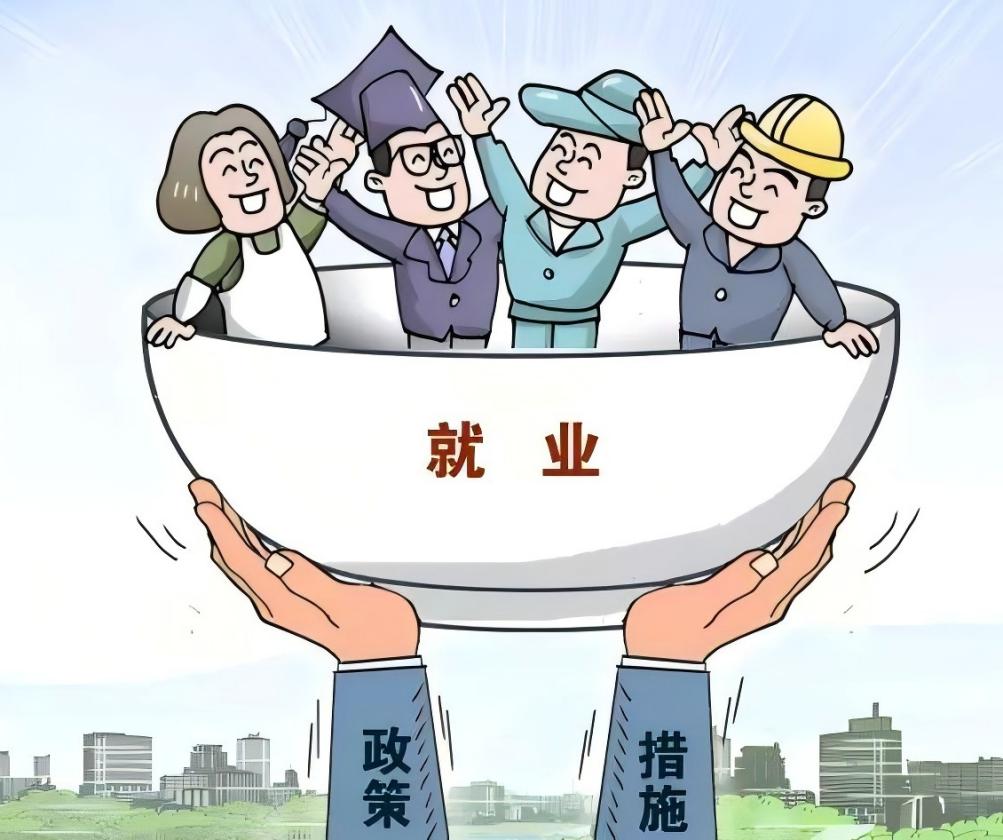
Equal employment cannot be achieved overnight and requires long-term persistence and unremitting efforts. As long as the government strengthens supervision, enterprises fulfill their responsibilities, society creates a good atmosphere, and workers courageously safeguard their rights, we can gradually break down discrimination barriers, allow every worker to obtain equal opportunities based on their abilities, make employment fairness a distinct background of social development, and provide support for high-quality and sufficient employment.

