


As pets have become "family members" in more and more households, the pet medical industry has experienced rapid development. However, chaos such as chaotic charging and excessive medical treatment occurs frequently, and disputes over industry standards persist. This not only imposes a heavy economic burden on pet owners but also restricts the healthy development of the industry. How to solve the industry pain points and promote the standardization and transparency of pet medical care has become an urgent people's livelihood issue.
Chaos Highlighted: "Invisible Traps" in the Pet Medical Field
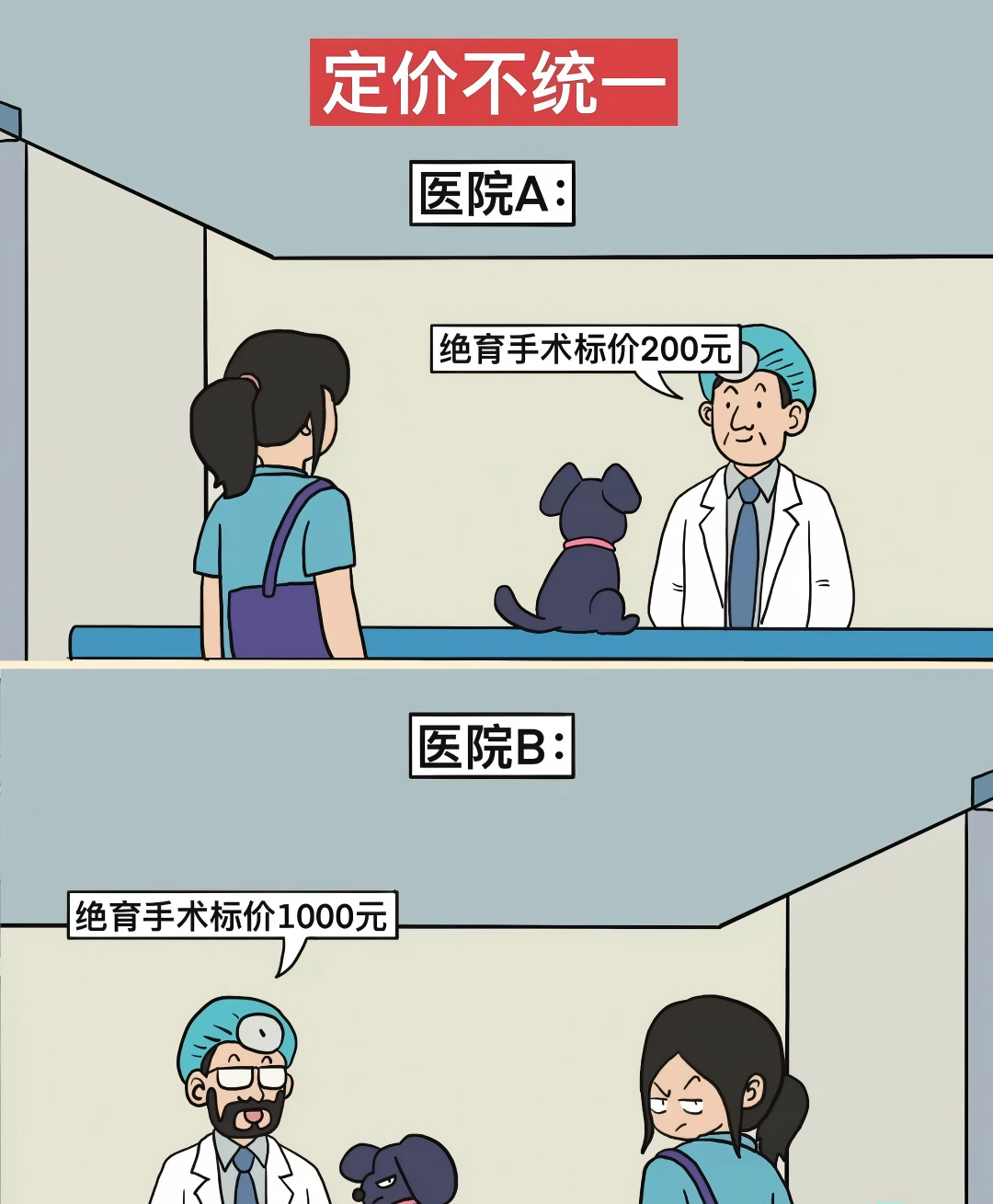
At present, the chaos in the pet medical industry is mainly concentrated in two aspects: charging and medical treatment. In terms of charging, there is no unified standard. The price of the same examination and the same drug can differ several times in different institutions. Moreover, some institutions do not publicize detailed charging items, and the "treatment first, payment later" model puts pet owners in a passive position. Bills of thousands or even tens of thousands of yuan are common. A pet owner complained that his cat was treated for vomiting, and only three days of basic infusion treatment cost more than 9,000 yuan. Later, it was found that there were problems such as package charging and repeated charging.
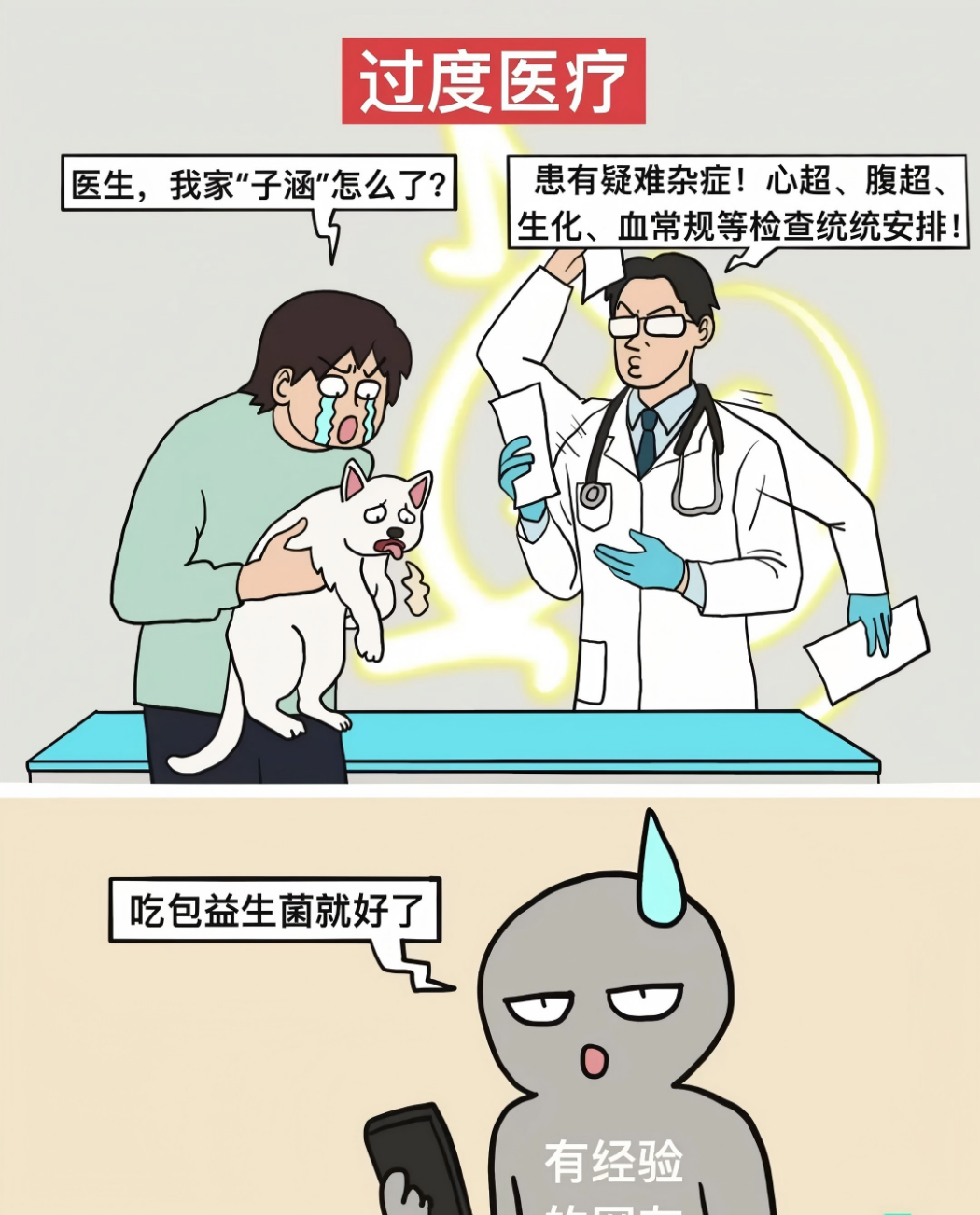
Excessive medical treatment has even become a "persistent disease" in the industry. Taking advantage of pet owners' eagerness to save their pets, some institutions exaggerate the condition, abuse inspection items, forcibly recommend high-end inspections such as CT and nuclear magnetic resonance that are not needed, and require hospitalization for minor illnesses that do not require infusion. What's worse, some use unapproved testing products and illegal drugs, which not only increases the cost of raising pets but also may pose hidden dangers to the health of pets. Behind these chaos is the lack of industry standards and lagging supervision, which has plunged pet medical care into a "trust crisis".
Trace the Source: Multiple Inducing Factors and Chain Effects Behind the Chaos
The emergence of chaos in pet medical care is the result of the joint action of multiple factors. First, the industry standards are not perfect. There is no unified guided charging price and medical treatment standards. Most institutions set their own prices, and the division of charging items is vague, providing an opportunity for random charging and excessive medical treatment. Second, there is a structural shortage of talents. Domestic veterinary education has long focused on economic animals, resulting in a shortage of pet specialists. Some practitioners are not qualified enough, relying on "empirical diagnosis and treatment", and even deliberately inducing excessive medical treatment for profit. Third, the supervision is insufficient. There are more than 30,000 pet medical institutions, which are scattered, with limited supervision resources, making it difficult to investigate and punish illegal acts. In addition, the management of medical records and prescriptions is not standardized, leading to difficulties in proof of rights protection.
The impact of these chaos goes far beyond the individual level. For pet owners, unreasonable charges increase the economic burden, excessive medical treatment makes pets suffer unnecessary pain, and the inability to protect their rights makes them anxious. For the industry, chaos damages the industry's credibility, drives out good money with bad money, makes it difficult for standardized institutions to gain a foothold, and restricts the sustainable development of the industry. At the same time, problems such as illegal drug use and irregular disposal of medical waste may also lay hidden dangers to public health and safety.
Joint Efforts: The Governance Path to Solve the Chaos
Regulating the pet medical industry requires the joint efforts of the government, the industry, institutions and pet owners. At the government level, it is necessary to accelerate the improvement of industry laws and regulations, refine medical treatment standards and charging standards. Four pet medical industry standards to be implemented on May 1, 2026, focus on core links such as emergency rescue and anesthesia safety, drawing a "red line" for the industry. At the same time, strengthen supervision, implement the charging publicity system, establish an institution access and exit mechanism, severely investigate and punish illegal acts such as random charging and excessive medical treatment, and smooth the channels for rights protection.
At the industry level, it is necessary to strengthen self-discipline, promote the establishment of industry associations, formulate professional ethics guidelines, and guide institutions to operate with integrity. Leading enterprises can play a demonstration role, integrate resources through chain development, standardize service processes and charging standards, and drive the overall upgrading of the industry. Pet medical institutions themselves need to standardize their medical behaviors, improve the management of medical records and prescriptions, take the initiative to publicize detailed charging items, respect the right to know of pet owners, and eliminate excessive medical treatment.
Pet owners should also enhance their awareness of self-protection, choose qualified and reputable institutions, take the initiative to ask about charging standards and medical treatment plans, keep relevant vouchers, and timely complain and protect their rights when encountering illegal acts, forming a joint supervision force on the industry.
Positive Trend: Standardized Development Has Become the Industry Consensus
Although chaos still exists, the trend of standardization in the pet medical industry has become increasingly obvious. At the policy level, from the implementation of the Measures for the Administration of Animal Medical Institutions in 2022 to the introduction of four industry standards in 2026, the legal and regulatory system has been continuously improved, delineating clear boundaries for the development of the industry. At the market level, consumption upgrading has promoted pet owners' higher requirements for the quality and transparency of medical treatment, forcing institutions to operate standardizedly. Specialization and intelligence have become the development direction, the popularity of high-end medical equipment has been continuously improved, and the service model has extended to the whole cycle of "prevention - diagnosis and treatment - rehabilitation".
In addition, the talent training system has been continuously improved. Universities have optimized the curriculum of pet medicine, carried out practical training through school-enterprise cooperation, and the team of specialists has gradually expanded, providing intellectual support for the standardized development of the industry. The pilot policy on the temporary use of pet drugs in some regions will also enrich medical treatment methods and promote the high-quality development of the industry.
The standardization of pet medical care is not only related to the health of tens of millions of "furry kids" but also to the happiness of pet owners and the long-term development of the industry. It is believed that with the joint efforts of all parties, chaos such as chaotic charging and excessive medical treatment will be gradually curbed, and the pet medical industry will usher in a more standardized and healthy development, truly becoming a "solid barrier" to protect the health of pets.

