


In Chendai Town, Jinjiang, Fujian Province, there were once countless family-owned shoe workshops struggling at the bottom of the industrial chain, and Anta was a seed that broke through the soil from this land. Starting from a simple bungalow with a few sewing machines in 1991, Anta has grown into one of the top three sports goods companies in the world today. Over more than 30 years, it has written a legend of grassroots entrepreneurship developing into a global giant, and also witnessed the rise of Chinese sports brands from OEM (Original Equipment Manufacturing) to independent innovation and self-reliance.
Initial Hardships: The Struggle for Survival in a Small Workshop
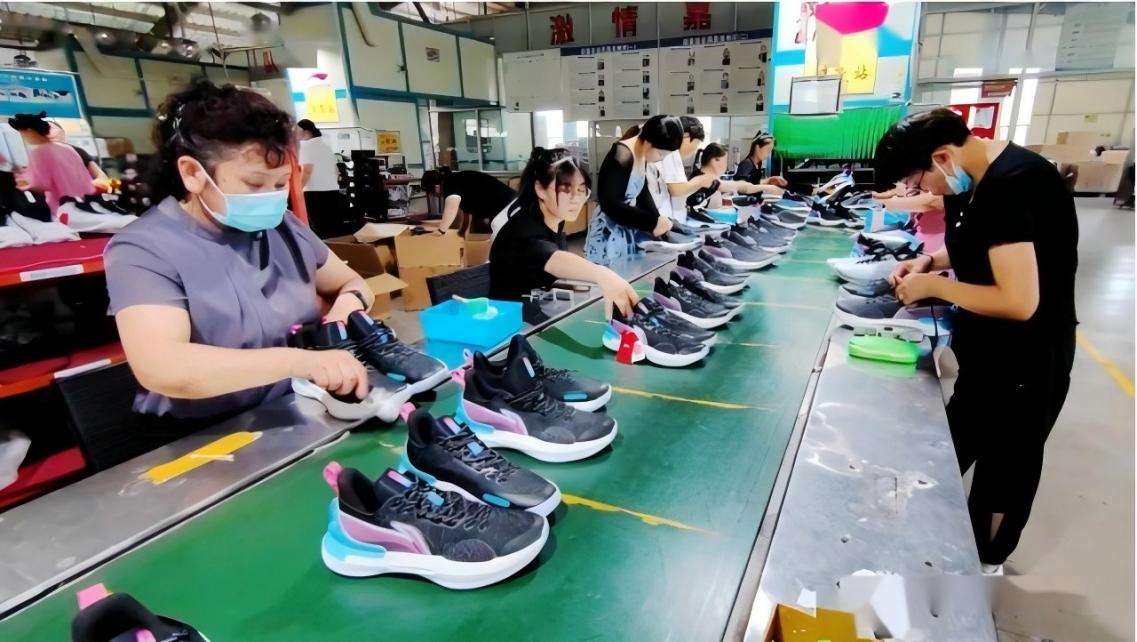
Anta's starting point was a typical family workshop model. In 1981, Ding Hemu, Ding Shizhong's father, founded a small shoe factory in Chendai Town, Jinjiang. The factory was simple, with outdated equipment and fewer than ten workers. It mainly relied on OEM for other brands to make a living, and its products were mostly single-style leather shoes and sports shoes, which could only be sold at low prices in wholesale markets. At the age of 17, Ding Shizhong ran sales with his father. When he saw foreign-brand sports shoes priced at over 100 yuan being snapped up at Wangfujing Department Store in Beijing, while the same style of shoes produced in his hometown could only be sold at a low price of more than ten yuan, he was deeply shocked and sowed the seed of building his own brand.
In 1991, the "Anta" brand was officially born, and Ding Shizhong took over the baton from his father to start his entrepreneurial journey. The hardships in the initial stage were far beyond imagination: there was only 10,000 yuan of start-up capital raised by his father, backward technology led to uneven product quality, the unknown brand was difficult to attract dealers, and the closed channels could only rely on local wholesale markets. Ding Shizhong took on multiple roles, being both the boss, the salesperson and the porter. He traveled all over half of China with samples and often faced rejections. At that time, Anta was facing the most basic test of "surviving" and groped hard at the crossroads between OEM dividends and brand risks.
Breaking Through the Dilemma: A Brand Counterattack Seizing Opportunities in Crisis
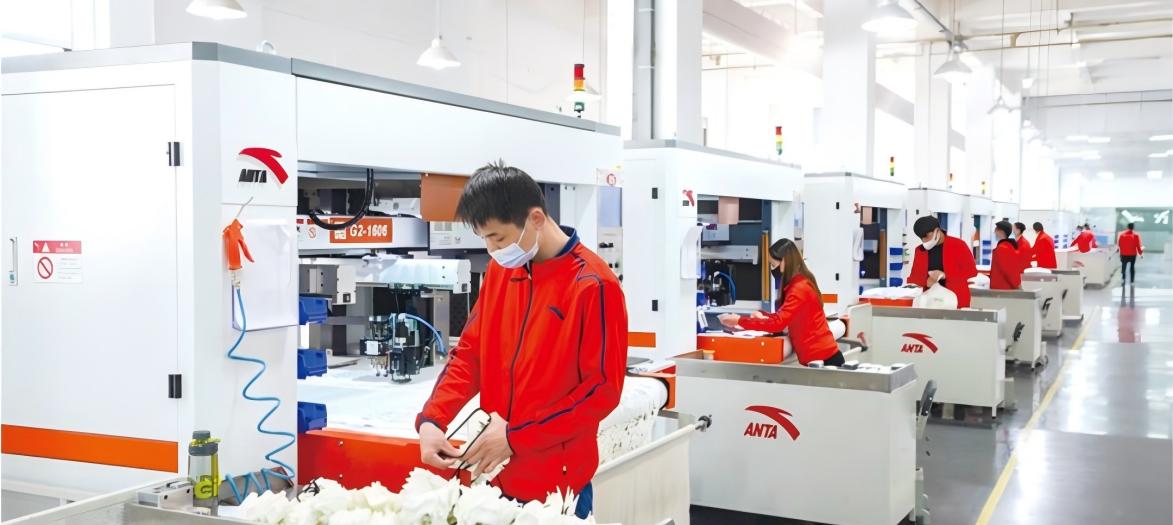
The 1997 Asian financial crisis became a turning point for Anta. At that time, overseas orders plummeted, countless Jinjiang shoe factories relying on OEM closed down one after another, and Anta also fell into an unprecedented crisis. But Ding Shizhong saw opportunities in the crisis. He resolutely cut off a large number of OEM businesses and invested all resources in building his own brand. This "bold move" became the key to Anta's counterattack.
To expand brand awareness, Ding Shizhong made a bold decision: with an annual profit of only 4 million yuan, he spent 800,000 yuan to invite table tennis world champion Kong Linghui as an endorser, and invested another 3 million yuan in CCTV advertisements. This decision was unanimously opposed internally, but Ding Shizhong firmly believed that only when people all over the country knew about Anta could it get out of the predicament. At the 2000 Sydney Olympics, the moment Kong Linghui kissed the national flag after winning the championship, accompanied by the advertising slogan "I Choose, I Like", it spread to thousands of households. Anta's popularity soared, and its sales volume jumped from 20 million yuan to 200 million yuan that year, successfully opening the national market.
In 2011, when the industry winter came, Anta encountered difficulties such as inventory backlog and declining store efficiency. Ding Shizhong led senior executives to visit stores across the country for research, and proposed the transformation from "brand wholesale" to "brand retail". He resolutely closed inefficient stores, implemented an ERP system to achieve transparent data, cleared inventory and strengthened terminal control. This reform allowed Anta to take the lead in getting out of the crisis. In 2012, its revenue surpassed Li-Ning to become China's top local sports brand, and in 2014, it became the first Chinese sports goods company with revenue exceeding 10 billion yuan.
Global Rise: From a Chinese Brand to a Global Giant
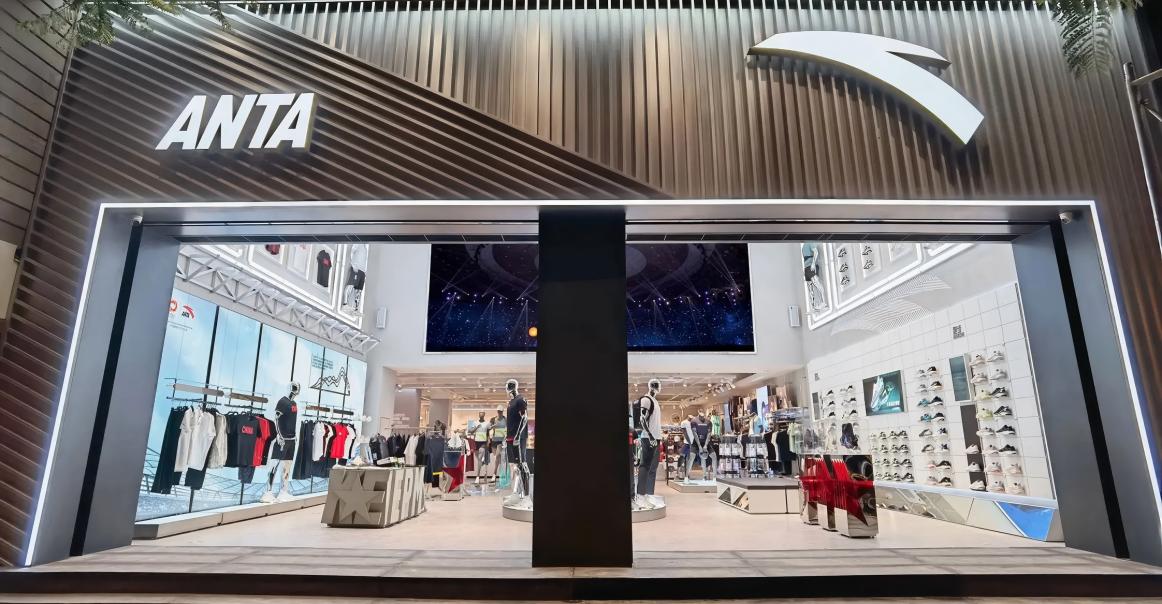
After breaking free from the shackles of local competition, Anta launched its global layout. With the strategy of "single focus, multi-brand and omni-channel", it has successively acquired international brands such as Fila China, Descente, Kolon Sport and Amer Sports, building a diversified brand matrix and realizing full coverage from mass sports to high-end sports and professional sports. Among them, Descente's turnover exceeded 10 billion yuan for the first time in 2025, becoming a new growth engine.
Continuous R&D investment is the foundation of Anta's globalization. From 2016 to 2025, Anta's R&D investment increased from about 350 million yuan to 2.2 billion yuan, a growth rate of more than 5 times. Self-developed technological products such as PG7 running shoes and C-family professional running shoes have become popular. On the international sports stage, Anta has repeatedly created champion equipment for the Chinese sports delegation. At the 2026 Milan Winter Olympics, it helped 13 Chinese national teams achieve the best performance in overseas Winter Olympics, demonstrating the professional strength of Chinese sports brands.
Today, Anta has grown into a global sports goods giant. In 2025, the group's revenue exceeded 80 billion yuan, with a 21.8% market share in China's sports shoe and apparel market, ranking leading in the industry, and its global ranking has remained in the top three, with a market value comparable to that of Adidas. In terms of global layout, Anta launched the Southeast Asia "Thousand Stores Plan" and opened its first direct-operated flagship store in North America in Beverly Hills, Los Angeles. By the end of 2025, more than 460 single-brand stores had been opened outside China, realizing the transformation from "product export" to "brand export".
World Influence: A Global Business Card of Chinese Brands
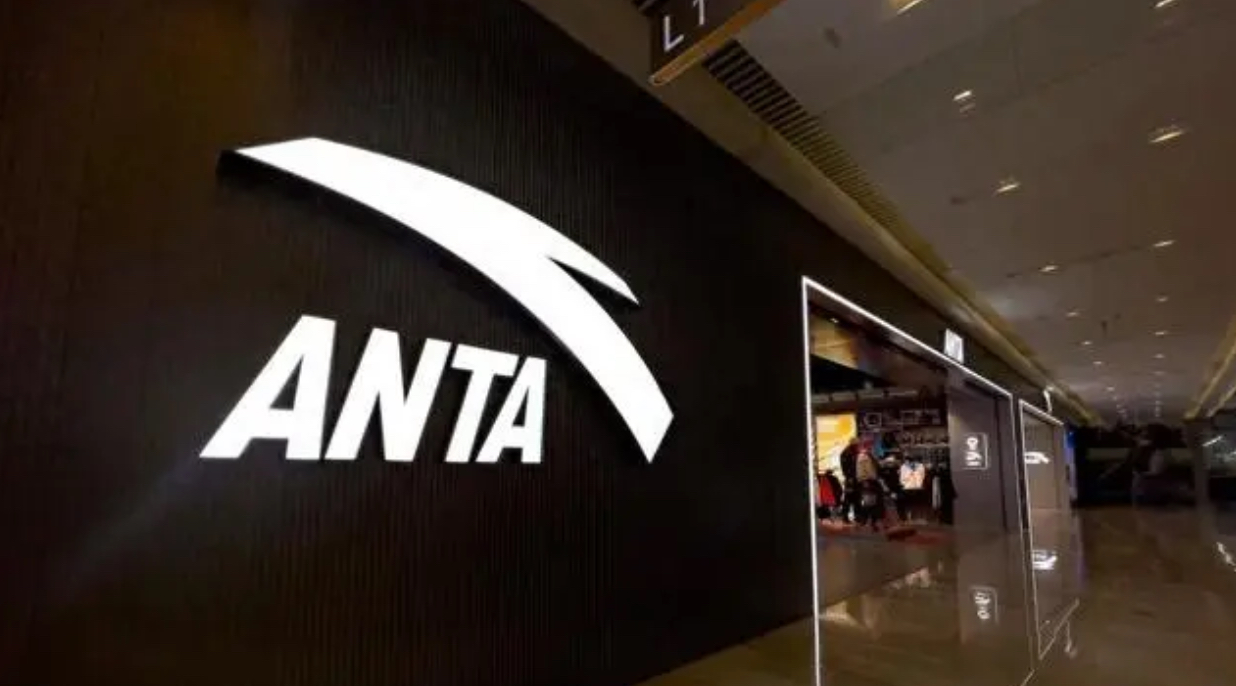
Anta's rise is not only the success of an enterprise, but also represents the rise of Chinese sports brands, becoming a bright business card of Chinese brands. It has broken the monopoly of international brands on the global sports goods market, proving that Chinese enterprises have the ability to create international brands with both quality and influence, and providing a reference model for other Chinese sports brands to go global.
In the global sports industry, Anta actively conveys the Chinese voice, promotes sports and cultural exchanges, combines Chinese elements with sports spirit, and lets the world see the innovation ability and cultural heritage of Chinese brands. At the same time, Anta adheres to "global thinking and local execution", respects local culture and employs local talents in overseas markets to achieve in-depth integration of the brand with the local market. From a family workshop to a global giant, Anta has interpreted the brand spirit of "Never Stop" with more than 30 years of persistence and innovation, and also promoted the high-quality development of China's sports industry, steadily moving towards the goal of becoming a leading global sports goods group.

