


A Small Central Plains City: An Unknown Place Hidden Away
Located in the hinterland of the Central Plains, Xuchang was once an inland small city with no sense of presence. Neither coastal nor riverine, nor endowed with abundant mineral resources, it has remained obscure in urban development for many years, rarely attracting external attention. Few people knew that this seemingly ordinary small city hides a "top business" with a history of hundreds of years.
The germination of Xuchang's wig industry can be traced back to the Jiajing period of the Ming Dynasty. At that time, craftsmen in Quandian Village, Lingjing Town, Xuchang, began making simple wigs and beards as props for opera troupes. By the late Qing Dynasty, the industry was still in a primitive state: villagers carried shoulder poles to collect scattered human hair from street to street, combed and classified it by length with simple tools, made it into "hair bundles", and then sold them to foreign merchants.
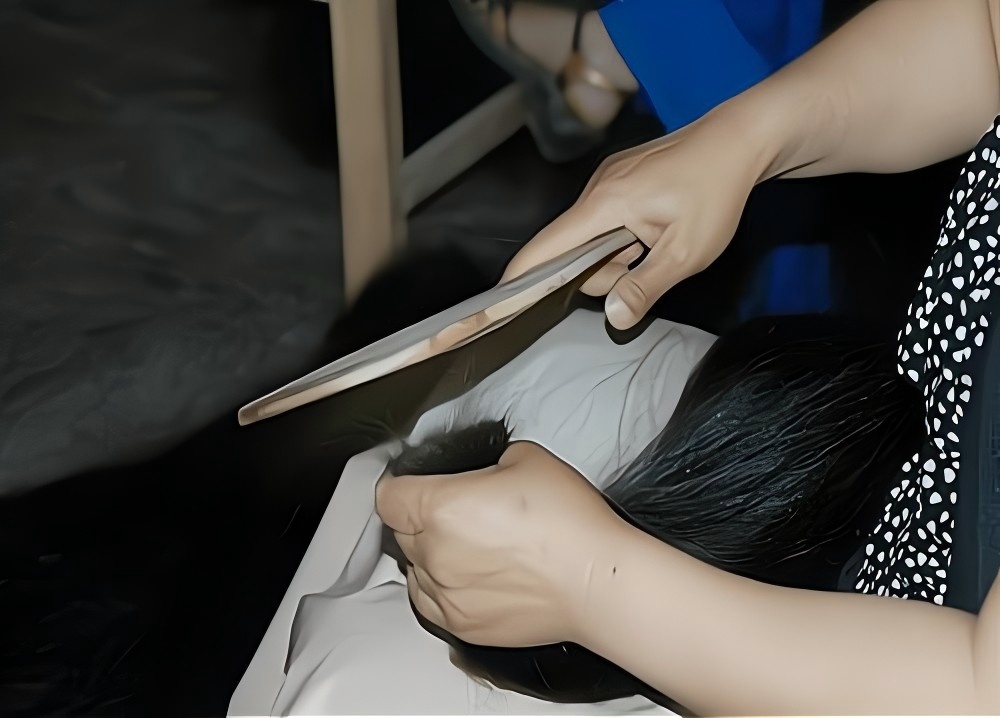
At that time, Xuchang had no modern factories or mature technologies. Farm courtyards served as workshops, and a pair of scissors and a steelyard were all the equipment. Processing was entirely manual, only capable of completing basic procedures, placing it at the bottom of the global industrial chain. After simple processing, the purchased raw hair was bought at a low price by Japanese, South Korean, European and American merchants. After sophisticated processing, its value increased dozens of times, while Xuchang people could only earn meager hard-earned money. In the early stage of reform and opening up, Xuchang's wig business was still scattered and weak, lacking technology, sales channels and popularity. This wisp of "hair" was always trapped in the corner of the Central Plains, unrecognized and unpromising.
Breaking Through: From Shoulder Poles to a Global Industrial Cluster
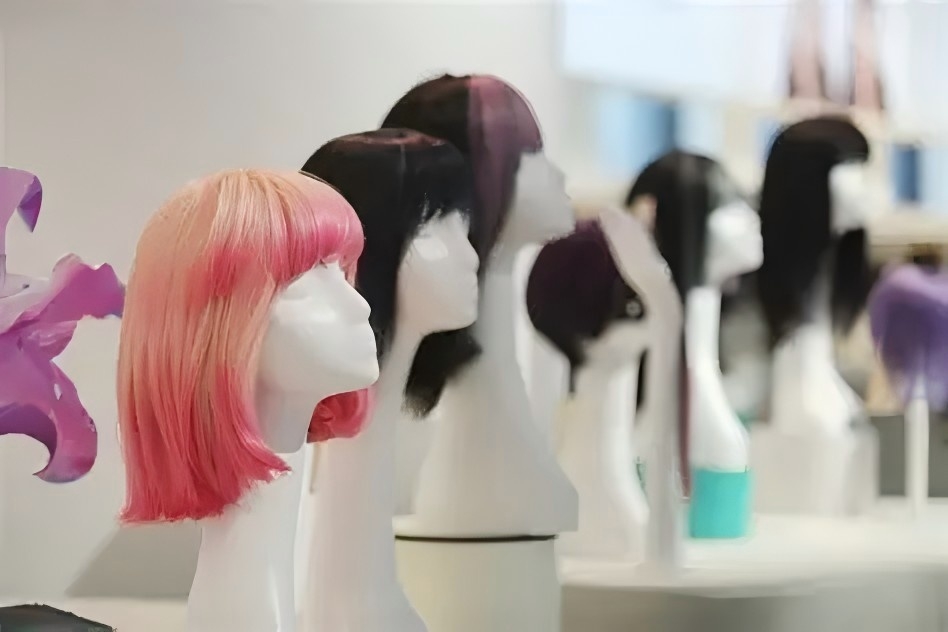
This inconspicuous small city finally seized the opportunity in the tide of the times, completing the transformation from "hawking with shoulder poles" to "wigs all over the world", and gradually grew into the global wig capital.
The 1990s was a turning point for Xuchang's wig industry. At that time, the state encouraged export-oriented economy and foreign exchange earnings, Xuchang obtained special loans, and local enterprises began the road of transformation. In 1990, the predecessor of Rebecca — Xuchang County Hair Products General Factory was established, marking the starting point of Xuchang's wig industry breakthrough. In the early days of entrepreneurship, core technologies were monopolized by Japanese and South Korean enterprises, and the key equipment "triple machine" was only available in a few factories in Qingdao, which refused to transfer it. Leading the team, founder Zheng Youquan successfully developed the first triple machine in Xuchang after numerous experiments based on a hand-drawn sketch, breaking the technological monopoly. Since then, the enterprise has continued to deepen its efforts, gradually mastering the entire industrial chain technology from "hair bundles - colored hair - craft hair", and realizing the leap from raw material processing to finished product manufacturing.
After the technological breakthrough, Xuchang's wig industry entered a stage of large-scale development. Driven by Rebecca, local enterprises such as Ruimei Real Hair emerged one after another, forming an industrial cluster. The products expanded to more than 3,000 varieties, covering the high, medium and low-end markets. In 2003, Rebecca was successfully listed, becoming the "first wig stock", injecting capital vitality into the industry.
In terms of market layout, Xuchang enterprises took the lead in targeting the African market. Due to the special hair quality of African people and high styling difficulty, traditional wig manufacturers hesitated to enter, while Xuchang wigs quickly opened the market with the advantage of high quality and low price. Subsequently, the products were exported to more than 120 countries and regions in Europe, America, Southeast Asia and other places, becoming the core supplier of the global market. In 2008, Xuchang enterprises jointly formulated five national standards for the hair products industry, gaining the right to speak in the industry and further consolidating their competitive advantage.
In the e-commerce era, Xuchang wigs took the express train of digitalization. Cross-border e-commerce live broadcast bases were established, and anchors displayed products to global consumers through live broadcast rooms, with an average of about 20,000 export packages per day. The online-offline integrated sales model allowed Xuchang wigs to directly connect with global consumers, reducing intermediate links and enhancing brand influence.
Today, Xuchang has more than 4,000 hair products-related enterprises and over 300,000 employees. Six out of every 10 wigs in the world are produced here. In 2025, the import and export volume of Xuchang's hair products reached 21.91 billion yuan, accounting for 80% of the city's total export volume, firmly maintaining its position as the world's largest hair products distribution center and export base.
Far-Reaching Influence: The Multifaceted Impact of the Wig Capital
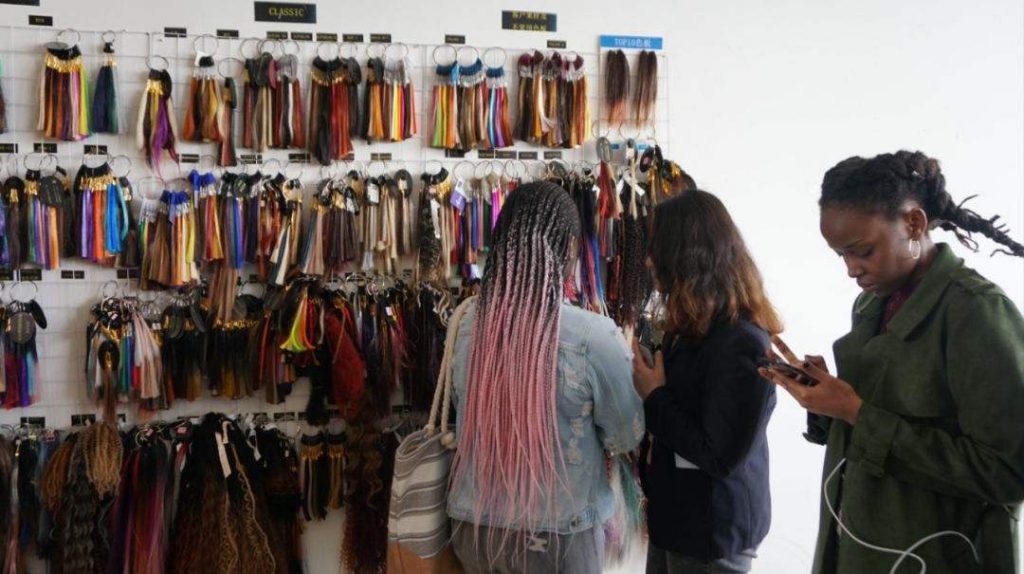
From an unknown small city to the global wig capital, Xuchang's counterattack has not only rewritten its own development trajectory, but also exerted a profound impact on the economy, employment, industry, culture and other fields, becoming a model for the transformation of county economies.
At the economic level, the wig industry has become the pillar of Xuchang's economy. In 2025, its export volume accounted for 80% of the city's total and 90.4% of Henan Province's total hair products exports, becoming a bright business card for Henan's foreign trade exports. The development of the industry has driven the improvement of the upstream and downstream industrial chains, forming a complete industrial ecology, attracting a large amount of investment, and promoting Xuchang's transformation from an inland small city to an open city. At the same time, "Xuchang Wig" has become a world-famous regional brand, which has been among the top-selling overseas products on AliExpress all year round, enhancing the international reputation of China's manufacturing industry.
At the employment and people's livelihood level, the wig industry has driven more than 300,000 people to increase their income, most of whom are local rural women. They can work in local workshops or enterprises without leaving their hometowns, earning several thousand yuan a month, realizing the balance between "taking care of the family and earning money". Core areas such as Lingjing Town and Xiaogong Village have almost every household participating in the industry. Once ordinary villages have turned into "professional wig villages", and the living standards of villagers have been significantly improved. The development of the industry has also driven emerging jobs such as e-commerce live broadcasting, design and R&D, and foreign trade services, attracting young people to return to their hometowns for employment and alleviating the problem of rural hollowing-out.
At the industrial level, Xuchang enterprises have more than 1,300 patents in the industry, leading the upgrading of global wig craftsmanship. By formulating industry standards, Xuchang has broken foreign technical barriers, mastered the right to speak in the global wig industry, and promoted the transformation of the industry from "low-cost OEM" to "brand innovation". At the same time, Xuchang's industrial cluster model provides a reference for other characteristic industries, becoming a model for small and medium-sized cities to achieve breakthroughs relying on characteristic industries.
At the cultural and urban influence level, the "Global Wig Capital" has become the most distinctive label of Xuchang, attracting tens of thousands of foreign merchants every year. Xuchang integrates wig culture with the Three Kingdoms culture and Central Plains folk culture, creating cultural and tourism projects such as hair products cultural industrial parks and wig museums, promoting the linkage between "top fashion" and the cultural and tourism industry, and letting the small city's culture go global. From being unknown to attracting global attention, Xuchang has woven a counterattack legend of an inland small city with a wisp of hair, and also written a forging chapter of China's manufacturing industry from small workshops to a global industrial highland.

