


A pair of Yeezy Boost 350 V2 "Black Angel" with an official price of 1,899 yuan once sold for 5,500 yuan on the secondary market; an Air Jordan 1 "Black Toe" priced at 1,299 yuan had a maximum premium of more than 5 times. Today, trendy sneakers have long deviated from their essence as "footwear to wear" and have been packaged by speculators as alternative "financial products" with "low risk and high returns". Behind the sky-high premiums, the trend of comparison among teenagers has become increasingly fierce, which not only increases the economic burden on families, but also distorts teenagers' consumption concepts and values, becoming a social phenomenon that urgently needs regulation.
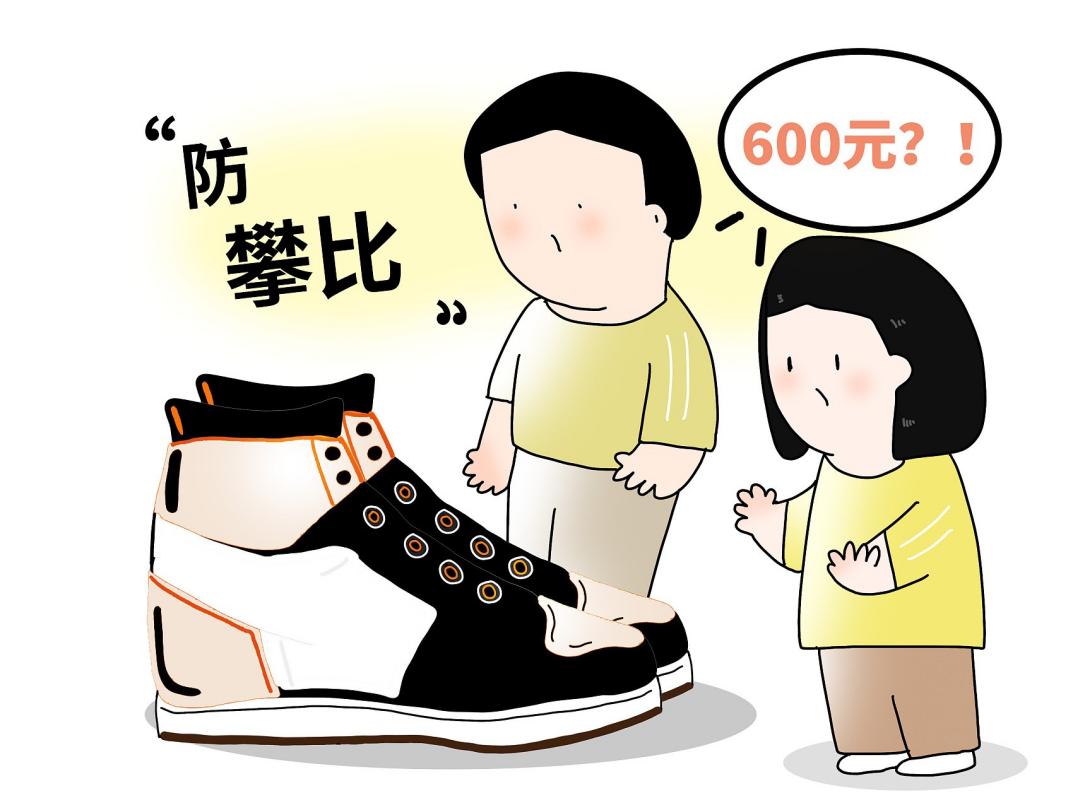
neakers Become "Financial Targets", Comparison Erodes Teenagers' Growth
In recent years, the hype around trendy sneakers has continued to heat up, forming a complete industrial chain of "snatching shoes—hoarding shoes—speculating in shoes". Professional sneaker speculation teams use software to snap up limited-edition models and resell them at a premium through second-hand platforms, making the price of sneakers decouple from their use value and fall into a vicious circle of "the more limited, the higher the price; the higher the price, the more sought-after". Data shows that the scale of China's second-hand sneaker trading market exceeded 10 billion yuan in the first half of 2019, with transaction volume increasing by nearly 300% year-on-year. The premium rate of popular styles far exceeds the reasonable range, and some co-branded models can achieve huge profits of "doubling overnight".
This hype has a profound impact on teenagers. On campus, owning limited-edition trendy sneakers has gradually changed from a "personal preference" to a "status symbol", and the trend of comparison has quietly spread. Many teenagers, regardless of their family's economic conditions, insist on asking their parents to buy sky-high-priced sneakers; some even save on food and expenses, overdraw their pocket money to follow the trend; more teenagers, tempted by the "high returns" of sneaker speculation, blindly hoard shoes and eventually suffer losses due to price plummets. This psychology of comparison not only increases the family burden, but also makes teenagers fall into the misunderstanding of "valuing material things over connotation", ignoring the cultivation of their own morality and abilities, which is not conducive to healthy growth.
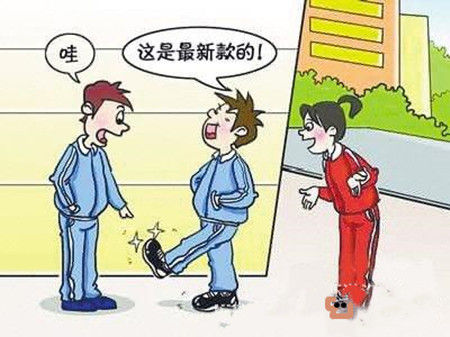
Multiple Factors Spur Sneaker Hype and Comparison Chaos
The prevalence of sneaker speculation and the intensification of teenage comparison are the result of the joint action of brand marketing, platform promotion, social atmosphere and teenagers' own psychology.
Brand owners' hunger marketing is the source of the chaos. Well-known brands such as Nike and Adidas deliberately control the supply of limited-edition sneakers, create scarcity through co-branding and celebrity endorsements, artificially raise the "collectible value" of sneakers, and provide an opportunity for sneaker speculation. At the same time, the celebrity effect endows sneakers with cultural value beyond functionality, and the same style of sneakers posted by celebrities often double in price in a short period of time, further igniting the market's enthusiasm for pursuit.
Second-hand trading platforms have played a role in adding fuel to the fire. The identification services of platforms such as DeWu (Poizon) have solved the trust problem in transactions, but they have also lowered the threshold for sneaker speculation. Some platforms have even been accused of artificially manipulating prices and creating the illusion of "hard to get a pair of shoes", boosting the price bubble. In addition, sneaker photos and unboxing videos on social media have further amplified the psychology of comparison, making teenagers unconsciously fall into the misunderstanding of "chasing shoes".
Teenagers' own psychology and social atmosphere are important inducements. Teenagers are in the period of forming self-identity, eager to gain recognition from their peers through material things, and are easily kidnapped by the "trend"; the doting of some parents and the bad social atmosphere of "valuing material things over spirit" have further aggravated this phenomenon. At the same time, the short-term huge profits in the sneaker speculation market have made some teenagers have the idea of "getting something for nothing", blindly following the trend to participate in sneaker speculation, ignoring potential risks.
Joint Efforts to Regulate the Market, Rational Consumption Becomes a Trend
To curb the chaos of sneaker speculation and guide teenagers to establish correct consumption concepts, it is necessary for brands, platforms, regulatory authorities, families and schools to work together. At present, the market has shown a positive trend of rational regression.
Regulatory authorities need to strengthen supervision and build a bottom line. They should improve relevant laws and regulations, clarify the regulatory boundary of sneaker speculation, crack down on illegal acts such as hoarding and price manipulation; use technical means to monitor transaction dynamics and improve supervision efficiency. After People's Daily warned of the risks of sneaker speculation in 2019, regulatory authorities launched investigations on multiple platforms, effectively curbing the hype upsurge.
Brands and platforms need to adhere to their responsibilities and guide rational development. Brand owners should abandon hunger marketing, reasonably increase the supply of limited-edition sneakers, focus on product design and quality, and return to the essence of sneakers as a utility; trading platforms need to strengthen review, crack down on illegal sneaker speculation, and strengthen risk prompts. Today, platforms such as DeWu (Poizon) have transformed into comprehensive trendy e-commerce platforms, promoting the market to return to rationality.
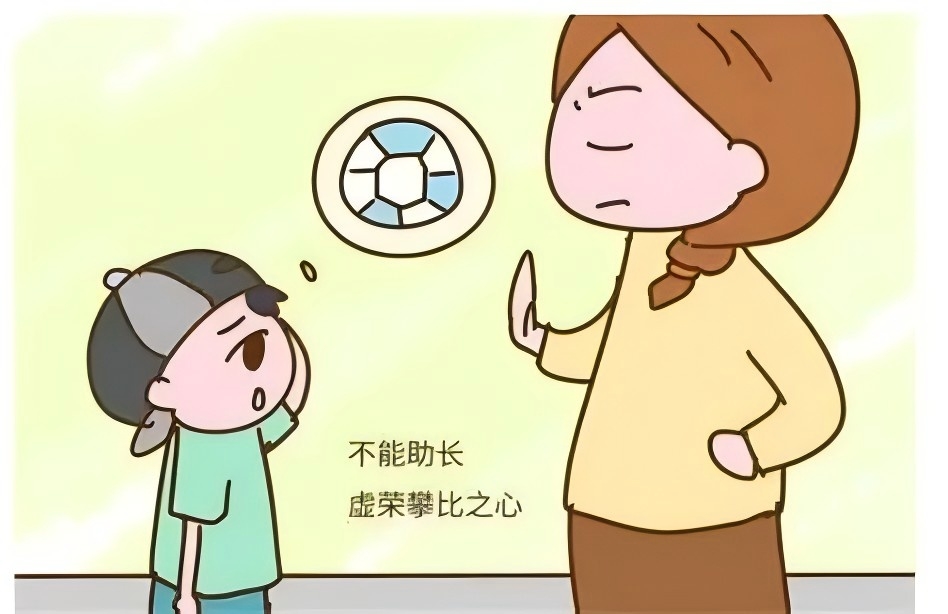
Families and schools need to do a good job in guidance and cultivate correct consumption concepts. Parents should set an example by words and deeds, guide their children to establish the concept of "living within their means and rational consumption", refuse blind comparison, and pay attention to their children's spiritual needs; schools should incorporate rational consumption into moral education courses, guide teenagers to recognize the harm of material comparison, and establish the concept of "valuing connotation over material things".
Fortunately, the market shows an obvious positive trend. Since 2026, practical and comfortable shoe models such as Salomon and KEEN have risen, replacing AJ and Yeezy as the mainstream. Teenagers' consumption concepts have gradually become rational, and they no longer blindly pursue limited-edition and sky-high-priced sneakers. More and more teenagers have realized that the core value of sneakers is comfort and practicality, and brand owners have also adjusted their strategies one after another to promote the return of sneaker culture to its essence.
Trendy sneakers should be a carrier of trendy culture, not a "financial tool" for speculative speculation; teenagers' growth should not be kidnapped by material comparison. With the joint efforts of all parties and improved supervision, the sneaker market will fade its false prosperity and return to rationality. Under the guidance of correct consumption concepts, teenagers can also get rid of the trouble of comparison, focus on their own growth, and let trendy culture become a positive force nourishing youth.

